Million Dollar Sailors save big, earn big ‘FRCSE Sailors build wealth for the future’
Million Dollar Sailors save big, earn big
‘FRCSE Sailors learn how to build wealth for the future’
JACKSONVILLE, Fla. – Sailors can join the Navy and retire wealthy just by applying the simple techniques taught during the 2-day Million Dollar Sailor (MDS) seminar held quarterly at the Fleet and Family Support Center (FFSC) on Naval Air Station Jacksonville, Fla.
Fleet Readiness Center Southeast (FRCSE) Sailors are planning for the future by taking advantage of the Navy-wide MDS program designed to assist Sailors and their families with making better financial choices and becoming savvy consumers and investors.
FFSC Accredited Financial Counselor Rufus Bundrige who instructs the course said the proactive approach teaches sound money management principles. The program is open to all service members and their families, but it targets young adults ages 17 to 25.
“It helps Sailors understand the significance of finances by learning at a young age the discipline to manage their money,” he said.
Aviation Machinist’s Mate 3rd Class Kristi Rhodes, 24, works at the Power Plants (400) Division. Before the MDS course, she had no budget and no idea where her money was going each month. Following the training, she set up a spreadsheet to track her monthly spending.
“I was amazed at how much money I was simply throwing away,” she said. “If I stick to my budget, I have over $1,000 a month.”
Rhodes is saving money to buy a house in South Carolina some day. She shares the financial tools she has learned with junior Sailors so they too can save for the future.
“If you always spend like you’re rich, you will always be poor,” she said, “and if you always spend like you’re poor, you will always be rich.”
Another FRCSE Sailor who has adopted the financial lessons learned at the seminar is PRAN James Moran, 20, a recovered impulse spender. He said he uses only one credit card for emergencies, and he does not need an expensive car to feel good about himself.
“My stepfather always told me it doesn’t matter what other people think of you, it is what you think of yourself that matters,” he said.
Moran and his fiancée are getting married in October. They are saving to buy land on which they will eventually build a home after Navy life.
ATAN Tory Rooks, 20, another graduate of the financial workshop said he has a credit card, and he uses it for a good reason.
“I use my credit card, but I pay it off at the end of the month,” said Rooks. “I’m trying to build up my credit.”
Rooks is building good financial habits. He now budgets and prioritizes his spending on what is important to him.
“I couldn’t tell you at the end of the month where my money went,” he said. “I now have a savings account and deposit $250 each payday.”
Bundrige, who has been teaching the class for about a year, credits FRCSE’s command financial specialists and the training department for supporting the program. He said more than 80 percent of his students are FRCSE Sailors.
Aviation Machinist’s Mate Chief Scott Keffer, the Training and Maintenance Administration Department leading chief said he sees young Sailors making the same financial mistakes, and financial indebtedness can turn into an administrative problem that can lead to separation.
“I have counseled a million kids,” said Keffer. “I tell them, ‘think about your money before you go and spend it.’ Pay yourself before you pay somebody else. I wish somebody would have done something like this when I was younger.”
Keffer selects Sailors who fall into the targeted age group from a database, but adds anybody can attend, and all those who do have great things to say about the program.
Sailors receive a total of 15 hours of training during the 2-day seminar. They use financial planning worksheets to determine their monthly income, savings, living expenses and other debt and assets.
They learn the 70/20/10 percent rule. No more than 70 percent of their income pays for living expenses, such as rent or mortgage payments, food, utilities and insurance. No more than 20 percent pays for debt, such as car, personal or student loans and credit card debt. Finally, no less than 10 percent goes to savings and retirement.
They learn about topics such as Millionaire Money Management, Car and Home Buying, Wealth Building, and Insurance: Protecting Wealth.
To learn more about the MDS program or to reserve a seat, call FFSC at 542-5745 or Rufus Bundrige at (904) 542-4976 or e-mail him at [email protected].
FFSC also offers the following workshops: Strategies for First Time Home Buyers, Oct. 5; Money, Debt and Credit Management Workshop, Oct 6; and Command Financial Specialist Training, Nov. 1 - 5 for E6 and above.
30
Photo Captions:
10-58A:
ATAN Tory Rooks (left), PRAN James Moran (center left) and AD3(AW) Kristi Rhodes (right) discuss the money management strategies they have implemented since taking the 2-day Million Dollar Sailor seminar taught by Rufus Bundrige (center right) at the Fleet and Family Support Center. (U.S. Navy photo by Marsha Childs/Released)
10-58B:
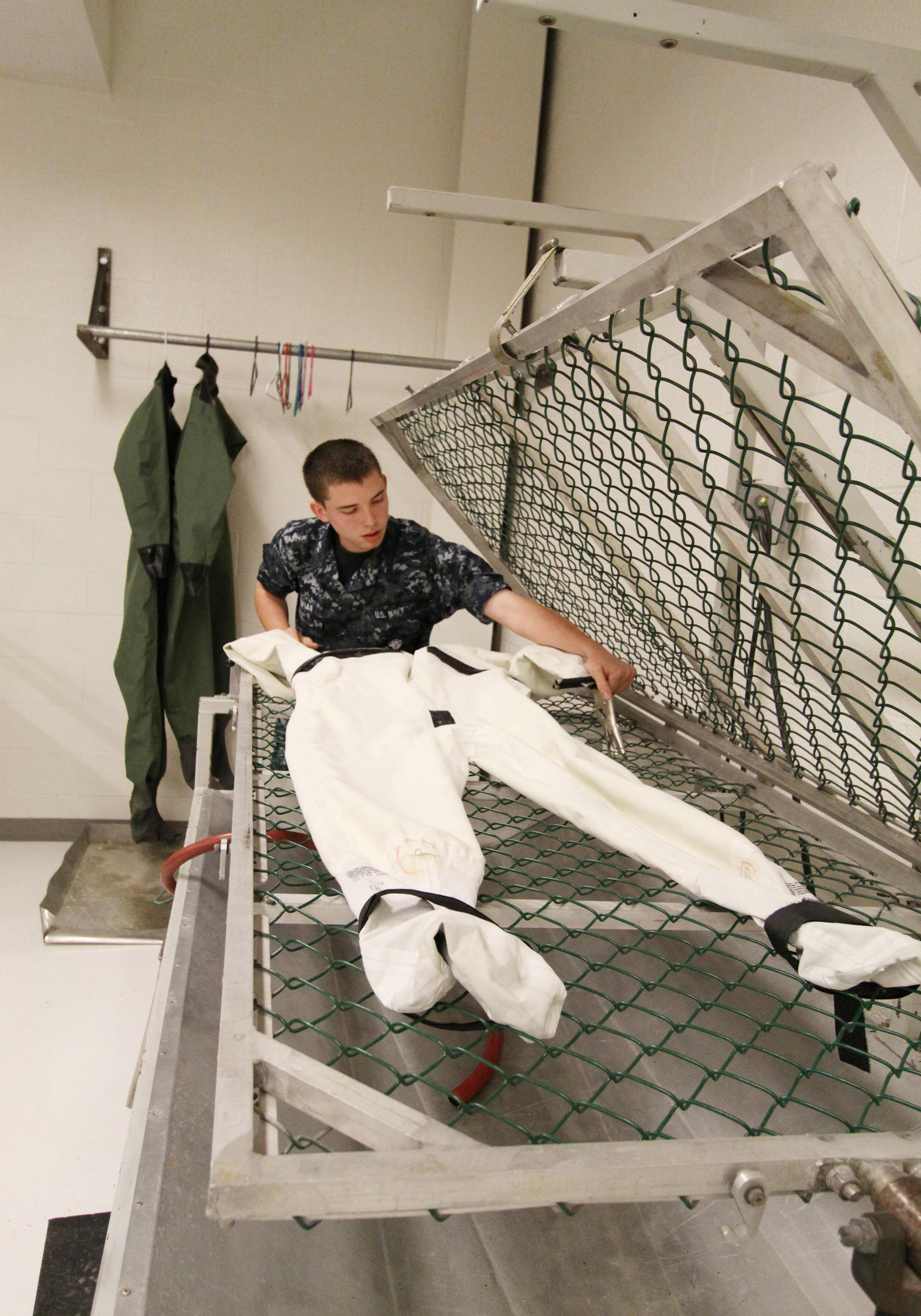
At the FRCSE 800 Division, PRAN James Moran prepares to fill an anti-exposure suit with water to check for leaks. The suit keeps aviators dry while flying. Moran is saving his Navy pay and applying the lessons learned in the Million Dollar Sailor program to build wealth for the future. (U.S. Navy photo by Marsha Childs/Released)
10-58C:
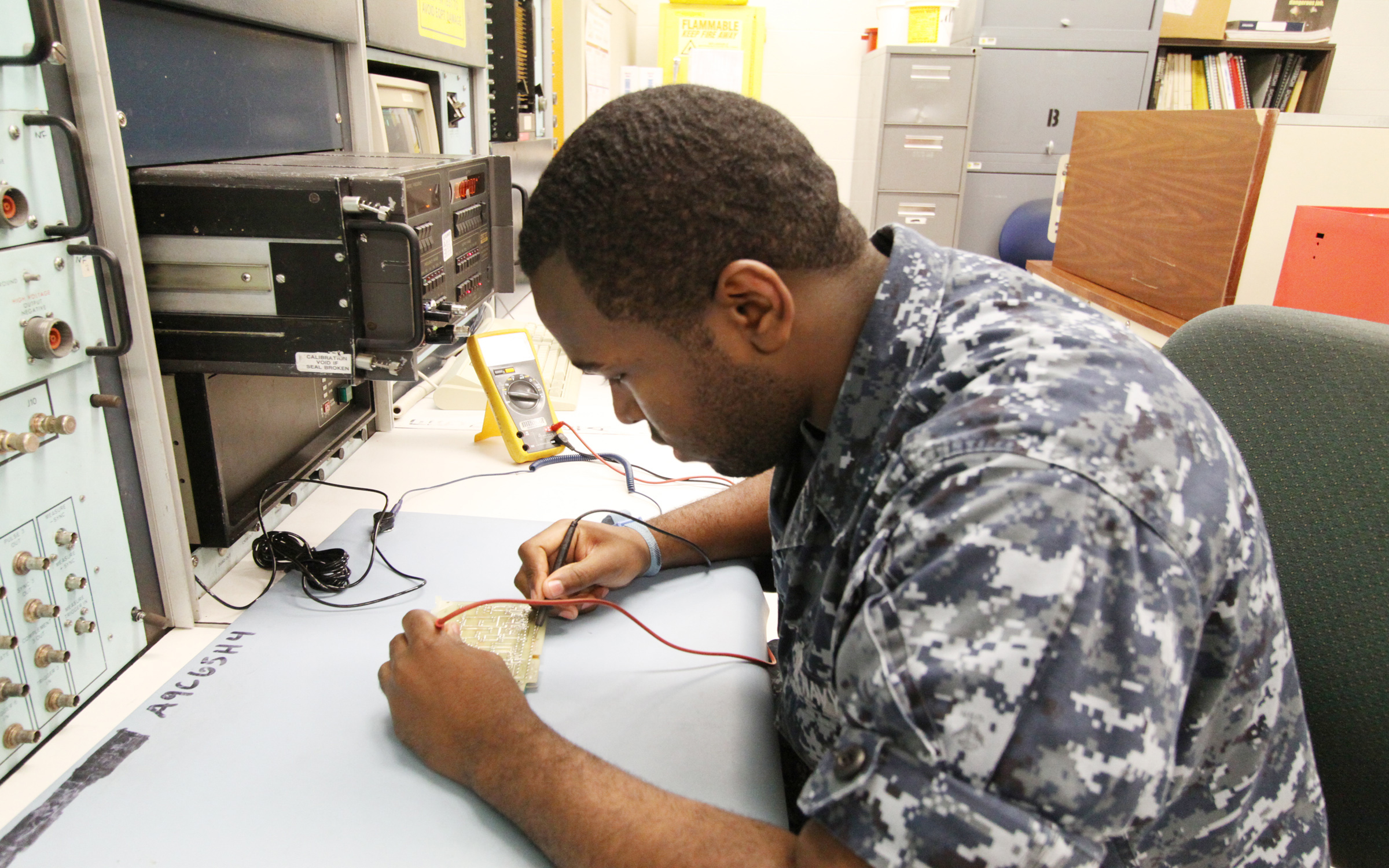
ATAN Tory Rooks troubleshoots a circuit card installed in avionics equipment on a P-3 Orion aircraft. He is one of many FRCSE Sailors who has attended a 2-day financial management program offered quarterly by the Fleet and Family Support Center. He has opened a savings account and is working hard to establish good credit. (U.S. Navy photo by Marsha Childs/Released)
//USN//