FRCSW Leverages Advanced Manufacturing in F/A-18 Repair
Innovative laser technology delivers a safer, more sustainable repair solution for F/A-18 braking
When a Navy or Marine Corps aircraft returns to the fleet, every component matters. From the engines that power flight to the landing gear that brings an aircraft safely to a stop, maintaining warfighting readiness requires precision, innovation and an unwavering commitment to safety.
At Fleet Readiness Center Southwest (FRCSW), that commitment is driving a first of its kind repair capability for the F/A-18 Super Hornet: using robotic laser based additive manufacturing to restore worn tabs on the aircraft’s braking torque tube assembly.
The achievement demonstrates how FRCSW continues to push the boundaries of maintenance technology, transforming emerging manufacturing capabilities into practical solutions that strengthen naval aviation readiness while reducing costs and material waste.
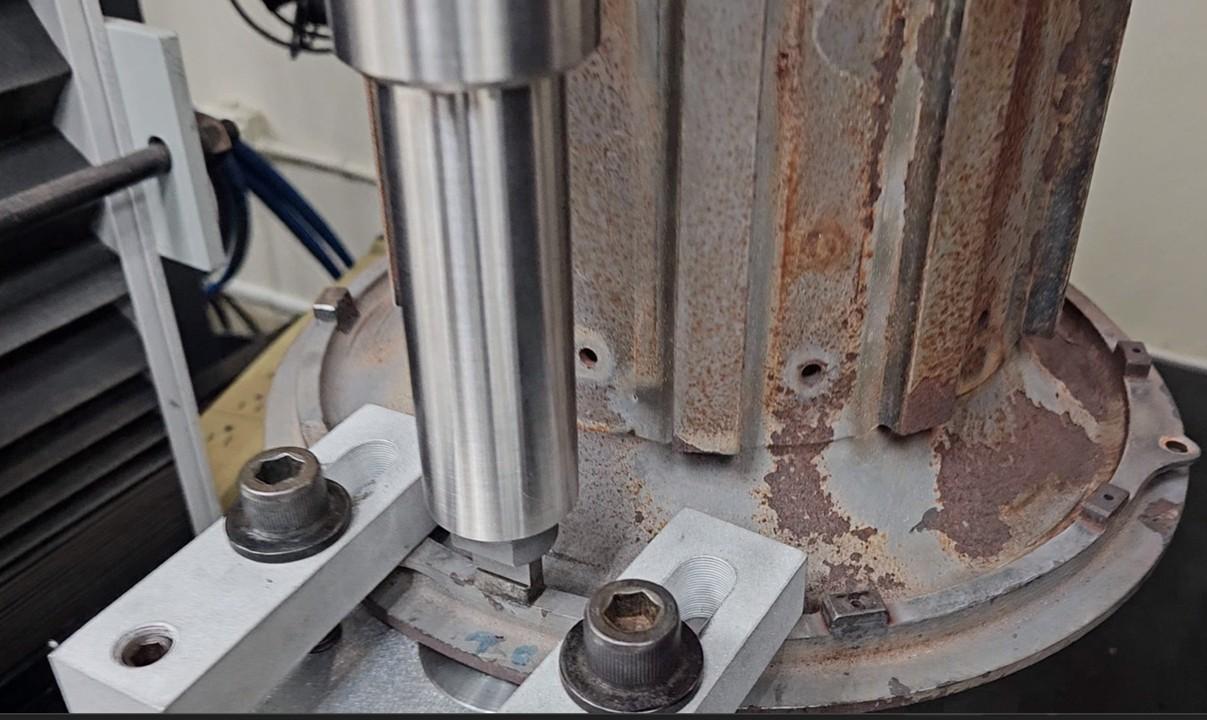
The tabs, located on the aircraft’s main landing gear wheel braking assembly, help retain the brake discs in position and they endure extreme heat and mechanical stress during repeated landings and braking. Previously, when wear exceeded the limits of conventional repairs, the entire torque tube assembly could require replacement. Rather than accept that outcome, FRCSW engineers and technicians explored multiple repair methods, including cold spray, before identifying Directed Energy Deposition (DED) as the most promising solution. The result is a process designed to restore worn tabs while preserving the larger assembly, reducing waste, improving maintenance efficiency and saving taxpayers money.
DED also provides precise process control and sensor generated data, allowing engineers to monitor manufacturing conditions, refine parameters and improve repeatability. This combination of robotics, engineering expertise and data driven manufacturing offers a powerful advantage when developing reliable, repeatable aircraft repair processes.
Developing the repair required years of collaboration, experimentation and rigorous testing. FRCSW's Materials Laboratory worked alongside the Air Vehicle Engineering, landing gear, mechanical testing, manufacturing and production teams, with support from Commander, Fleet Readiness Centers (COMFRC) and Naval Air Systems Command (NAVAIR) engineering leadership.
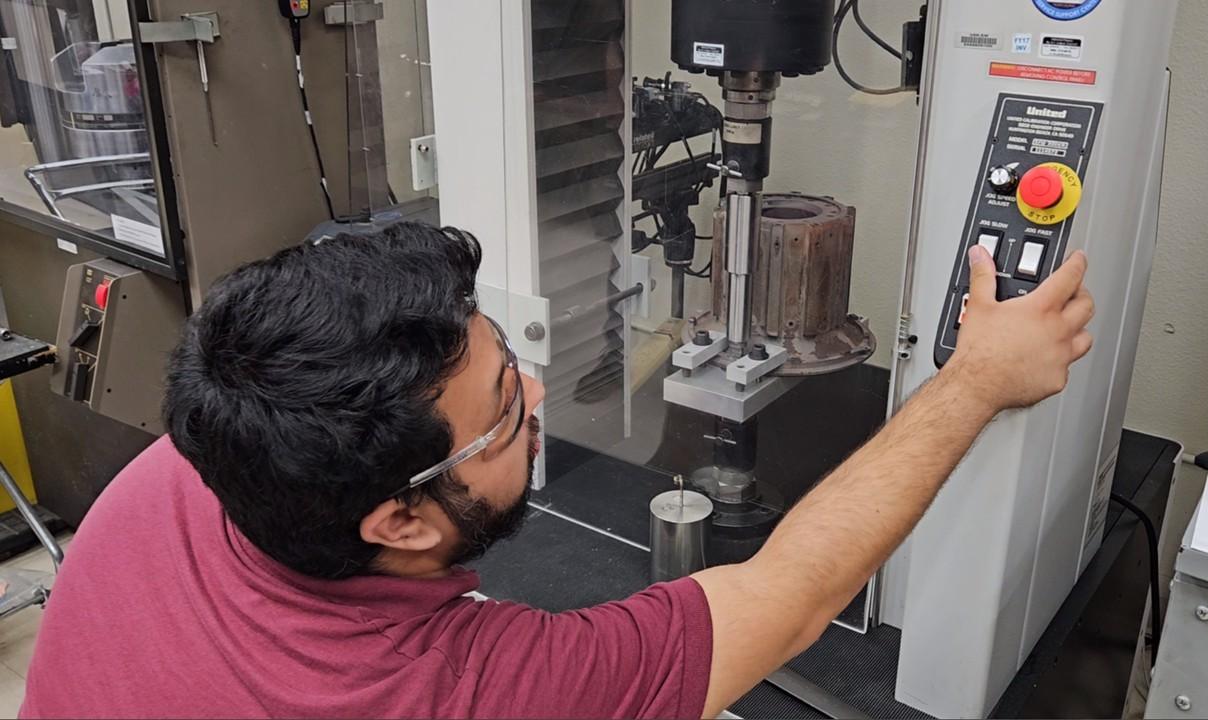
Testing of the tabs included a 1,500-pound shear test, a 7,500-pound compression test and thermal cycling at temperatures reaching 1,200 degrees Fahrenheit. Metallurgical analyses and mechanical evaluations helped the team assess the repaired components under demanding conditions representative of the aircraft's braking environment.
The financial potential is substantial. Compared with replacing the entire torque tube at approximately $46,000, the recurring DED repair is expected to cost approximately $4,000, a potentially significant savings per repair.
With an estimated 12 to 18 torque tubes requiring this type of repair each quarter, the capability offers an opportunity to reduce maintenance costs while preserving serviceable hardware and supporting fleet readiness.
The effort was made possible in part through initial seed funding from the Additive Manufacturing Integrated Product Team along with a much heavier investment in the design of the DED system from Commander Fleet Readiness Centers (COMFRC).
FRCSW entered into a Cooperative Research and Development Agreement (CRADA) with FormAlloy, a growing San Diego based advanced manufacturing company. This partnership demonstrates how collaboration between military organizations and innovative American businesses can accelerate the development of technologies that directly support the warfighter
The potential for DED extends well beyond this braking component. FRCSW is exploring additional applications involving the F/A-18 launch bar, environmental control system ducting and LM2500 gas turbine engine repairs.
This achievement reflects the culture at FRCSW: embracing innovation, challenging traditional approaches and doing whatever it takes to deliver safe, reliable aircraft to the fleet. At FRCSW, advanced technology is more than innovation for innovation's sake. It is a mission driven investment in readiness, responsible stewardship of taxpayer dollars and the Sailors and Marines who depend on naval aviation every day.
The command remains committed to advancing the technologies and repair capabilities that keep America's naval aviation forces ready, capable and lethal.
FRCSW employees are the Backbone of Military Readiness!