
FRCSW - 10 Years Exceeding Aircraft Production
Delivering 140 aircraft in FY26, nine above its annual target, FRCSW continues to provide the capabilities and readiness the Navy and Marine Corps need to fight and win.
For the 10th consecutive year, Fleet Readiness Center Southwest (FRCSW) has met or exceeded its aircraft production goals, reinforcing its vital role in keeping Navy and Marine Corps aviation ready to respond to threats and project American power around the world.
In fiscal year 2026, FRCSW completed 140 aircraft against a target of 131, exceeding its goal by nine. The majority of aircraft were delivered at or below budgeted cost while meeting required turnaround times. The achievement reflects the dedication and technical expertise of the entire workforce, particularly the artisans and production teams who work tirelessly to return aircraft to the fleet.
For the Sailors and Marines who depend on these aircraft, production success means more than meeting a number. It means having the tools, equipment and capabilities necessary to execute missions, project strength and win battles wherever the nation calls.
“FRCSW’s production success directly supports the Navy’s 6-6-80 readiness objective, ensuring six aircraft carriers, six carrier air wings, and an 80 percent mission capable rate for aircraft,” said CAPT Shannon Thompson, FRCSW Commanding Officer.
“Every aircraft we return to the fleet ready for the fight strengthens our ability to generate combat power, project presence, and deter potential adversaries. Our Sailors and civilians are delivering the maintenance and repair capabilities that translates to our forces being trained, postured and lethal every single day.” Thompson said.
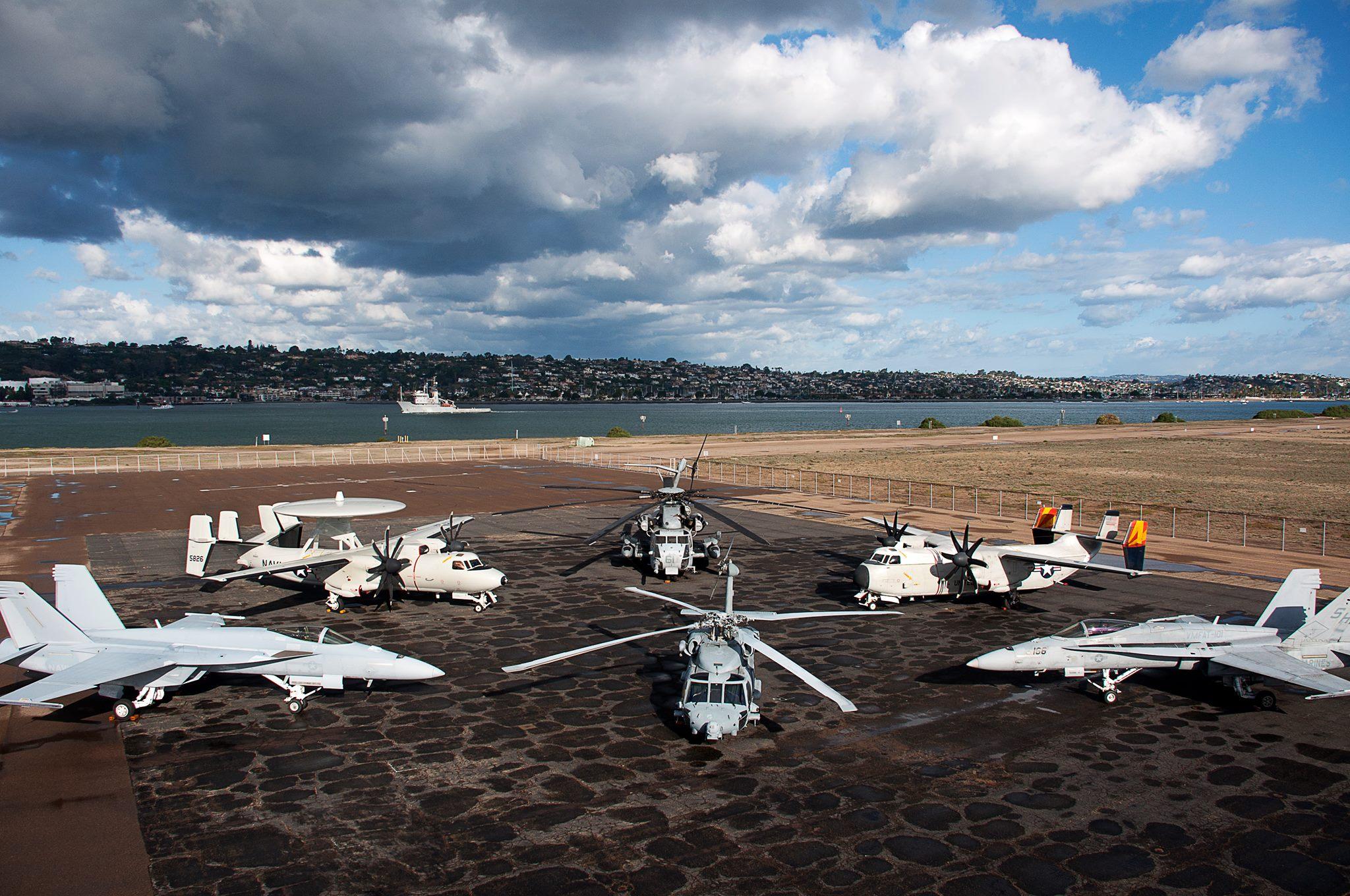
The command's FY26 accomplishments extended across multiple aircraft platforms and locations. FRCSW's Camp Pendleton team delivered all 16 planned aircraft, each at or ahead of projected turnaround times. The Miramar program met its goal of eight MV-22 aircraft, while the command's Cannon Air Force Base detachment completed both aircraft planned. The Propeller Program exceeded its E-2D production goal, completing 16 aircraft against a target of 12, while meeting its targets for MV-22 and CV-22B repairs.
The command's Services team completed 115 paint and planned maintenance related projects, supporting numerous aircraft platforms. Meanwhile, FRCSW artisans performed more than 3,000 in service repairs around the world, bringing specialized maintenance and engineering expertise directly to the Fleet when and where it was needed.
The H-53 program delivered another significant improvement, reducing average aircraft turnaround time by 45.42 percent, from 469 days to 256 days. That improvement translates directly into greater aircraft availability and increased readiness for the Marines who depend on these aircraft.
The FRCSW H-60 line is the busiest at the command. That team produced 51 H-60 aircraft on a schedule of 51 while the components team completed just shy of 8000 repairs well beyond their target of 7306.
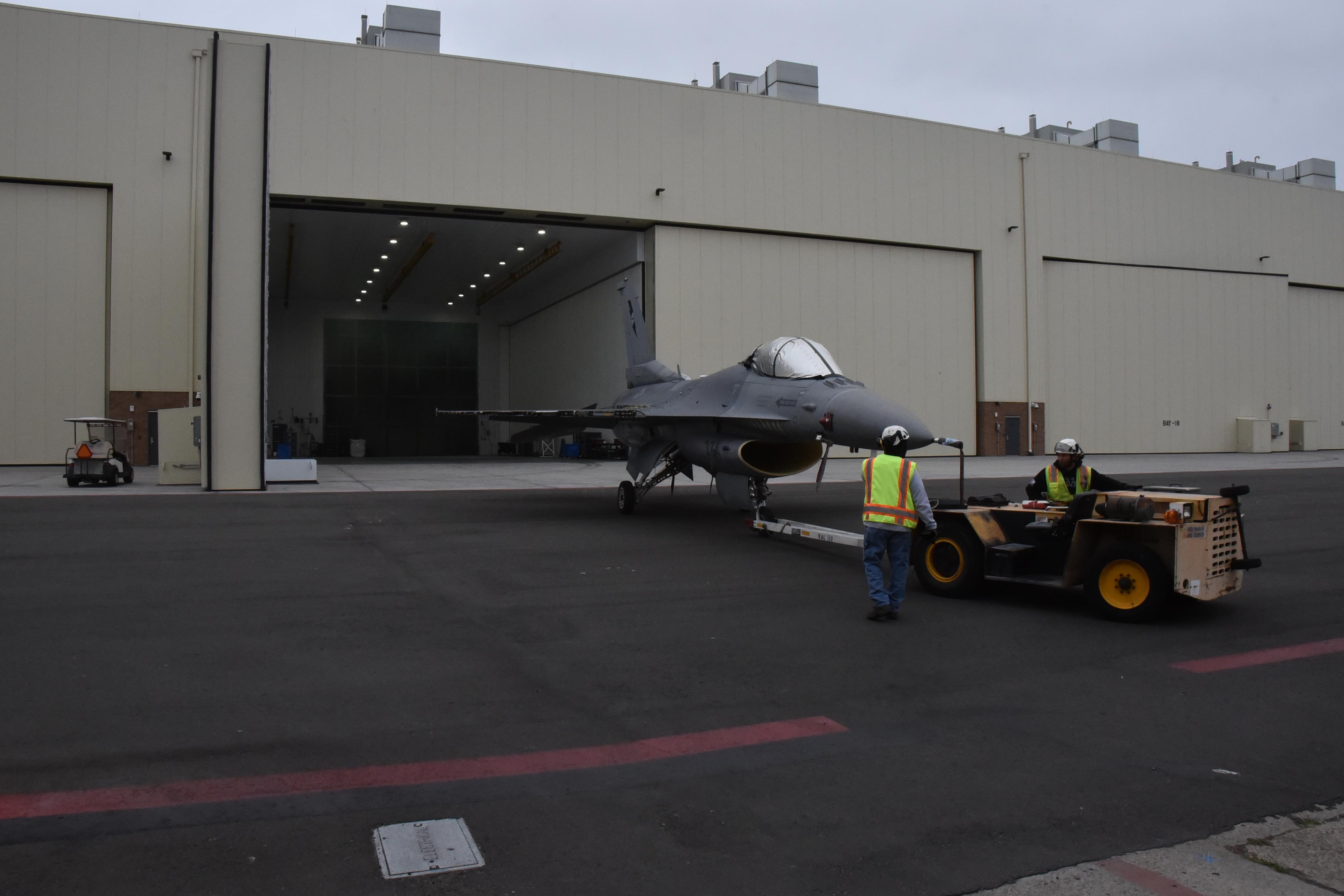
Beyond production numbers, FY26 included several significant advancements in FRCSW's industrial and technical capabilities. The command completed its first fully organic F/A-18 Super Hornet Block III modification, demonstrating its ability to perform complex aircraft modernization in house. FRCSW also continued establishing a new F-16 Viper maintenance program in partnership with Program Management Activity 226, bringing a new aircraft platform into the command's maintenance portfolio.
Other accomplishments demonstrated the workforce's ability to respond rapidly to demanding fleet requirements. When the Navy needed a newly configured T-bolt manufactured, tested and delivered in approximately two weeks, FRCSW was the last site contacted but the first to deliver. On USS Theodore Roosevelt, Fleet Support Team engineers provided four days of on site expertise to help ship and squadron personnel troubleshoot and repair a fuel leak.
FRCSW also strengthened its long term sustainment capabilities through a new F/A-18 landing gear overhaul effort and the opening of its modern V-22 Osprey maintenance hangar. Together, these investments and accomplishments expand the command's ability to maintain, repair and modernize the aircraft the Navy and Marine Corps rely on.
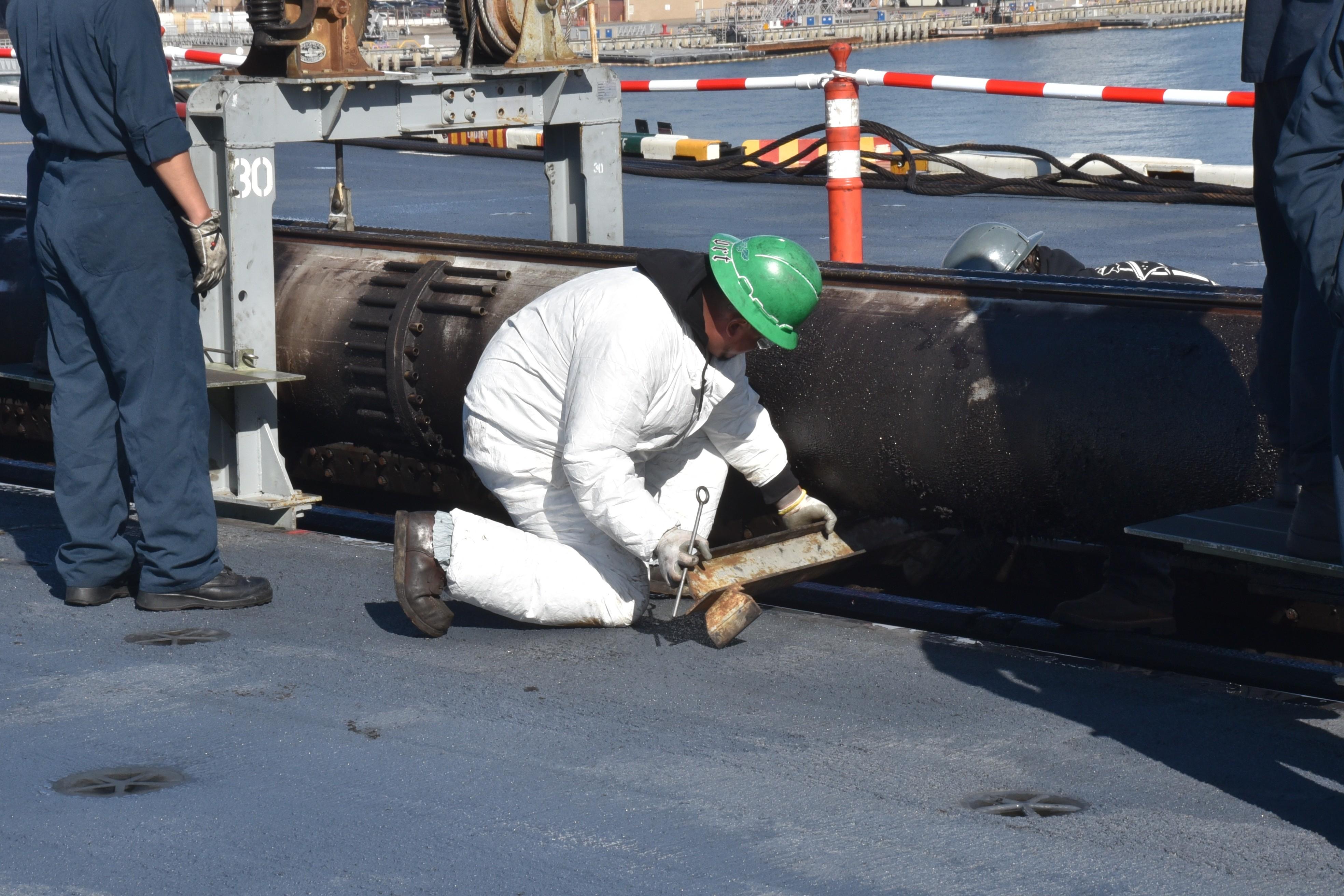
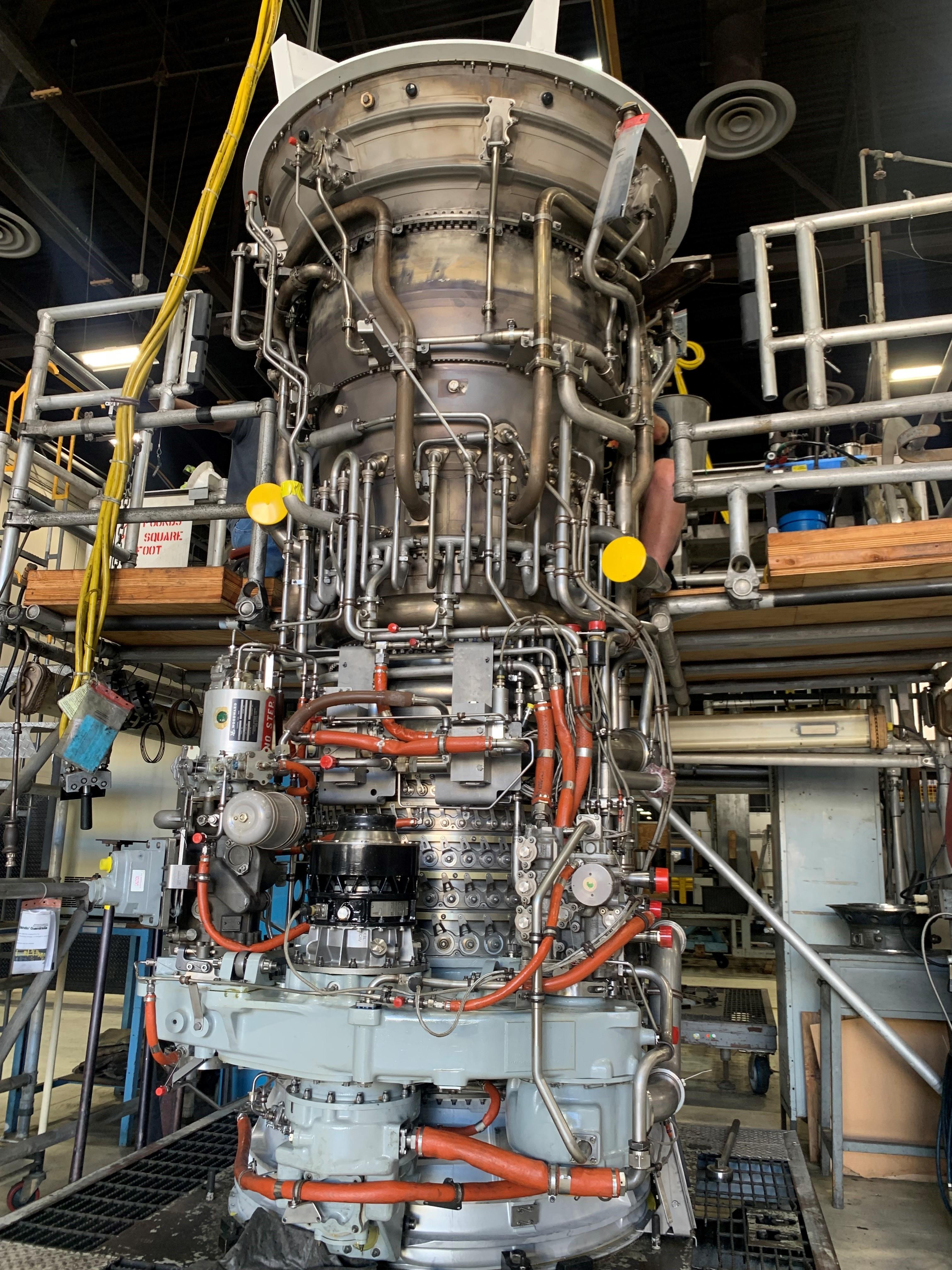
The command's contributions extended beyond aviation. Its Voyage Repair Team performed critical repairs aboard West Coast based aircraft carriers, amphibious assault ships and Coast Guard cutters. The LM2500 Marine Gas Turbine engine program also exceeded its annual goal, delivering 21 engines to NAVSEA, six more than planned.
Taken together, these accomplishments demonstrate the breadth of FRCSW's mission. From aircraft overhaul and advanced manufacturing to worldwide fleet repairs and maritime engine sustainment, the command brings together highly skilled people, specialized equipment, modern facilities and decades of technical experience to solve some of the Fleet's most challenging maintenance requirements.
Ten consecutive years of meeting or exceeding production goals is a remarkable achievement, but the true measure of success is the readiness delivered to the men and women who serve. Every aircraft returned to service, every component repaired, every engine delivered and every fleet challenge resolved strengthens the nation's naval forces.
Through the dedication and expertise of its workforce, FRCSW provides the capabilities that enable Sailors and Marines to fight and win in any battle.
FRCSW employees are Backbone of Military Readiness!