Aircraft Wiring Systems Training Helps Keep Planes Flying
In the Navy, where operational readiness is directly tied to the mission capability of highly complex aircraft, preventive maintenance is the difference between mission success or mission failure.
For more than seven years, the NAVAIR Wiring Systems Branch of the Propulsion and Power Engineering Department has been working to address wiring system problem areas. The training has been compiled from in-service aircraft evaluations to address relative issues that lead to wiring discrepancies.
The Wiring Awareness Inspection Techniques (WAIT) training team travels all over the world to train Sailors and Marines. The training makes them aware of the correct processes for proper inspection techniques.
"After attending the WAIT class and observing the fleet maintainer’s reaction to the experience, I believe that this an excellent tool to maintain or even increase all in-service Seahawk RFT and safety numbers," said Christopher Rowe, of the H-60 Helicopter Program (PMA-299). "The information being passed between the fleet maintainers and the wiring assessors will allow for better and more consistent wiring inspection techniques and standards from squadron to squadron. The information will also allow PMA-299 to identify areas to improve both maintenance plan and design."
Wiring related problems in the Navy’s aircraft attribute to an average of 1.1 Class A, 1 Class B, and 1.6 Class C mishaps per year. There have been a total of 37 mishaps in the last 10 years related to aircraft wiring, according to Propulsion System Safety Metrics monitored from Oct. 1, 1998, to March 30, 2008.
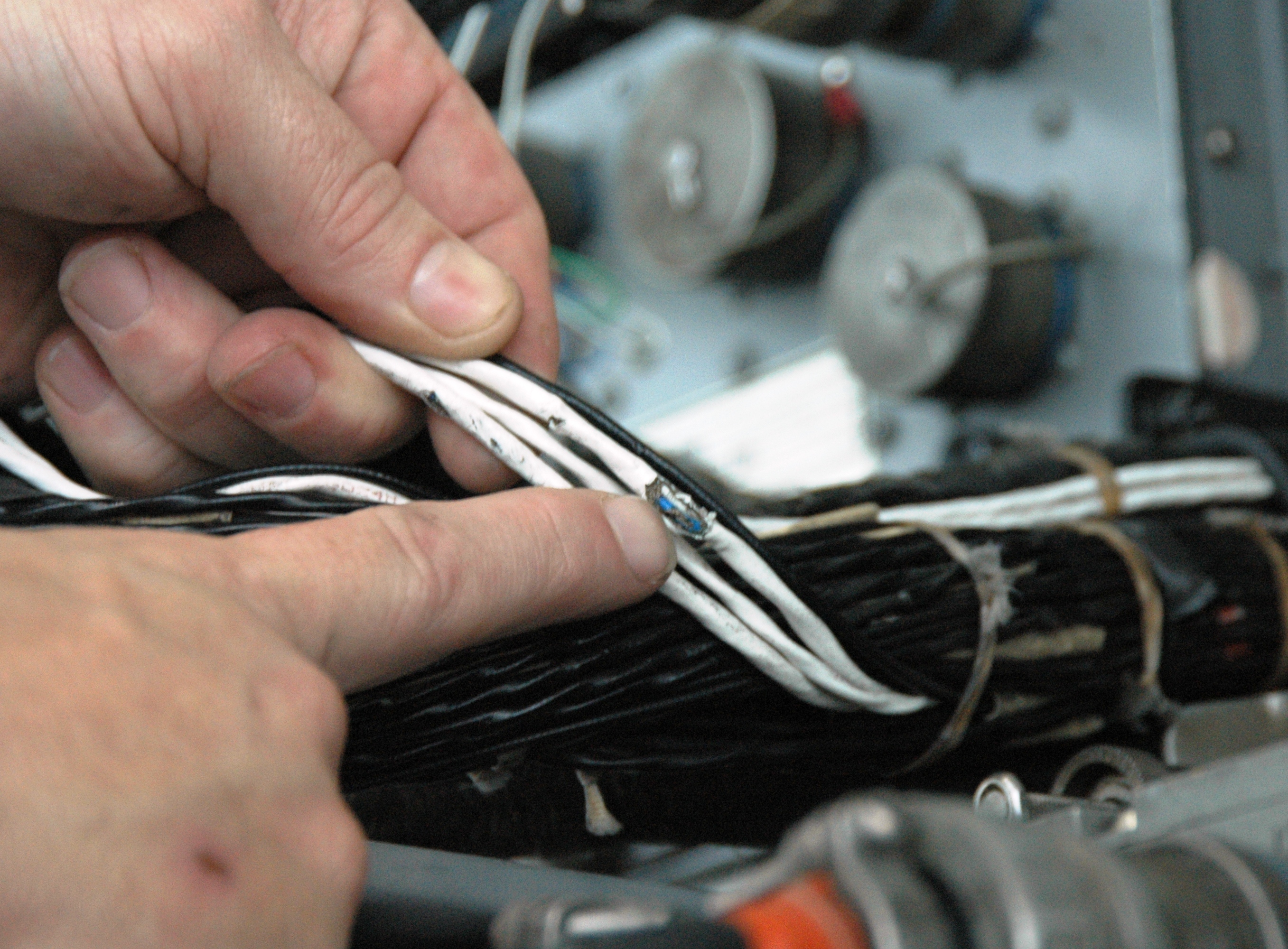
The training class is designed to teach how to better identify and correct wiring discrepancies before they have an impact on safety of flight and/or aircraft wiring systems. The problem most often is due to chafed wire conditions. The cause of the chafing can be attributed to any number of things, not excluding maintenance itself. Awareness of the causes of chafed conditions is a key in preventing them. The hands-on class is designed for all maintenance ratings.
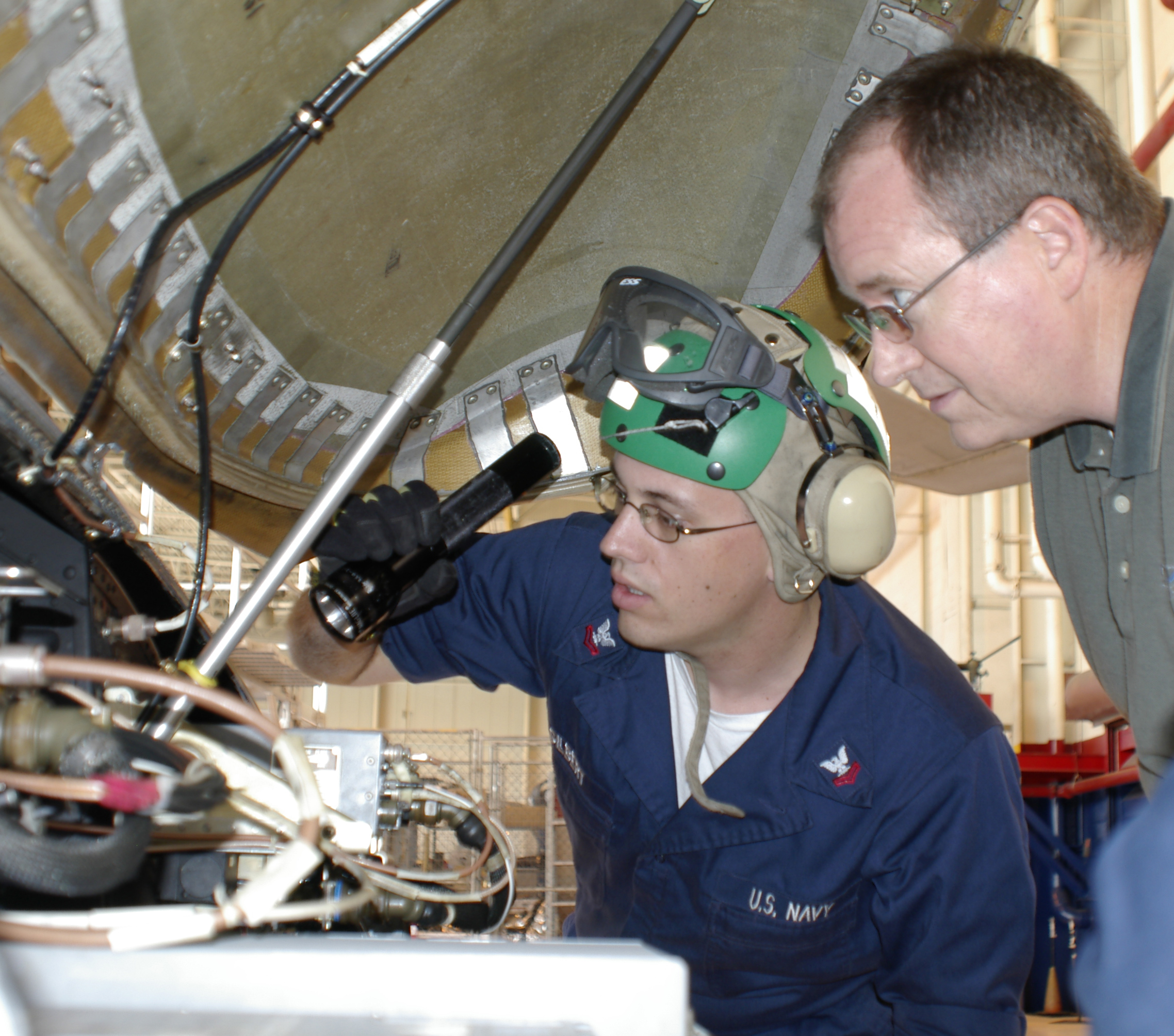
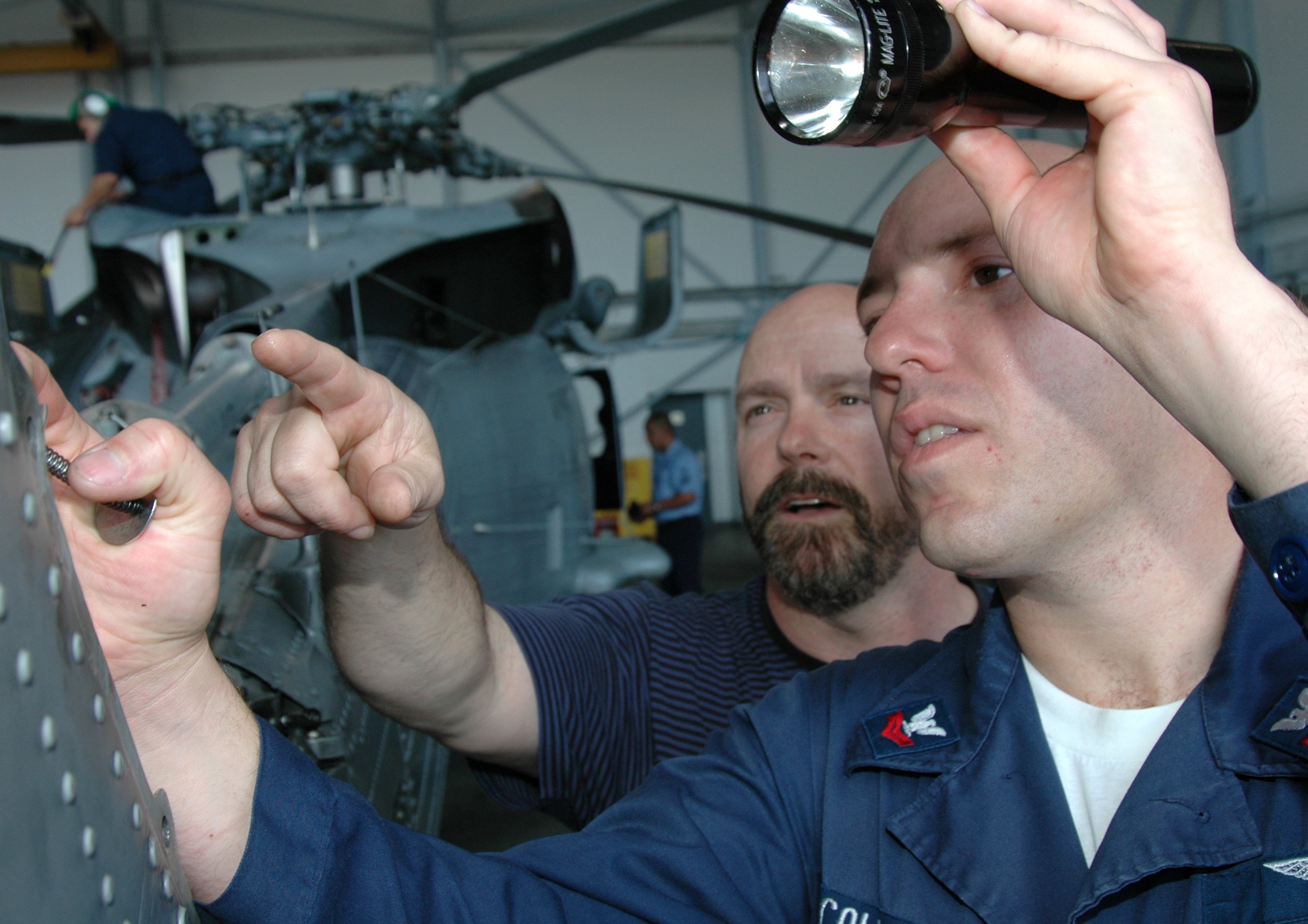
"Everyone is an inspector," said Dave Quinzani, WAIT training team lead. "This training attempts to instill a common sense approach to wiring inspection. For example, it's no surprise that the best tools are a flashlight, mirror and awareness of system problem areas.
"Most training is done on the job," said Quinzani, a former aviation electrician's mate chief. "These skills are typically mentored from one maintainer to the next making this on the job training very useful throughout the Navy and Marine Corps."
The Wiring Awareness Inspection Techniques class is effective, he said, because they take a hands-on approach. They want to see the maintainers interact with the aircraft. The training heightens their awareness to wiring problem areas.
"You can only get so much from reading a book, or looking at slides," Quinzani said. "The hands-on experience brings the text and lessons to life."
The WAIT training is a three-day evolution.
On the first day, instructors and the command’s collateral duty inspectors/quality assurance representatives (CDIs/QARs) assess the installation and condition of the wiring on squadron aircraft. They look for common trends such as chafing and corrosion, photograph problem areas and incorporate this information into a brief given on day two.
Day two is a half a day classroom briefing where instructors teach the problems, causes and remedies of common wiring issues. Part of that time is spent focusing on the previous day’s assessment of the squadron’s own aircraft. For the rest of the day, the class heads out to the hangar where the assessors and maintainers get their hands dirty practicing the new inspection techniques.
The third day combines the training of day one and two, to address issues identified during the assessment. Some discrepancies take just a handful of hours to correct; the others will require an investment of several weeks. Either way, the NAVAIR team is confident that passing along more than a few tried-and-true techniques will pay dividends down the line for the unit/platform and the Navy.
"The class gave me a pretty good perspective on how to respect wire in aircraft," said AT3 Lawrence Callier of HSC-28 in NAS Norfolk. "The most important lesson I learned was that 'problem' wire could be anywhere. Something could look fine, like nothing is wrong with it, and it could be one of the biggest problems you could have."
Chafed wire is predominantly caused by improper routing and clamping. When these conditions exist, the insulation on the wire wears away and exposes the raw wire. The results can be a simple short which causes an instrument to no longer function or in most severe cases a fire which can lead to a class A mishap.
"This [WAIT training] class has opened my eyes to things, that even as a QAR, I've overlooked just because I didn't see the importance of it, and nobody had trained me the right way to say 'it should be this way vice that'," said AT1 Christopher Chambers, of HSC-28 at NAS Norfolk. "For the junior guys, this is great for them to see how to inspect aircraft wire properly."
Cutlines
WAITc
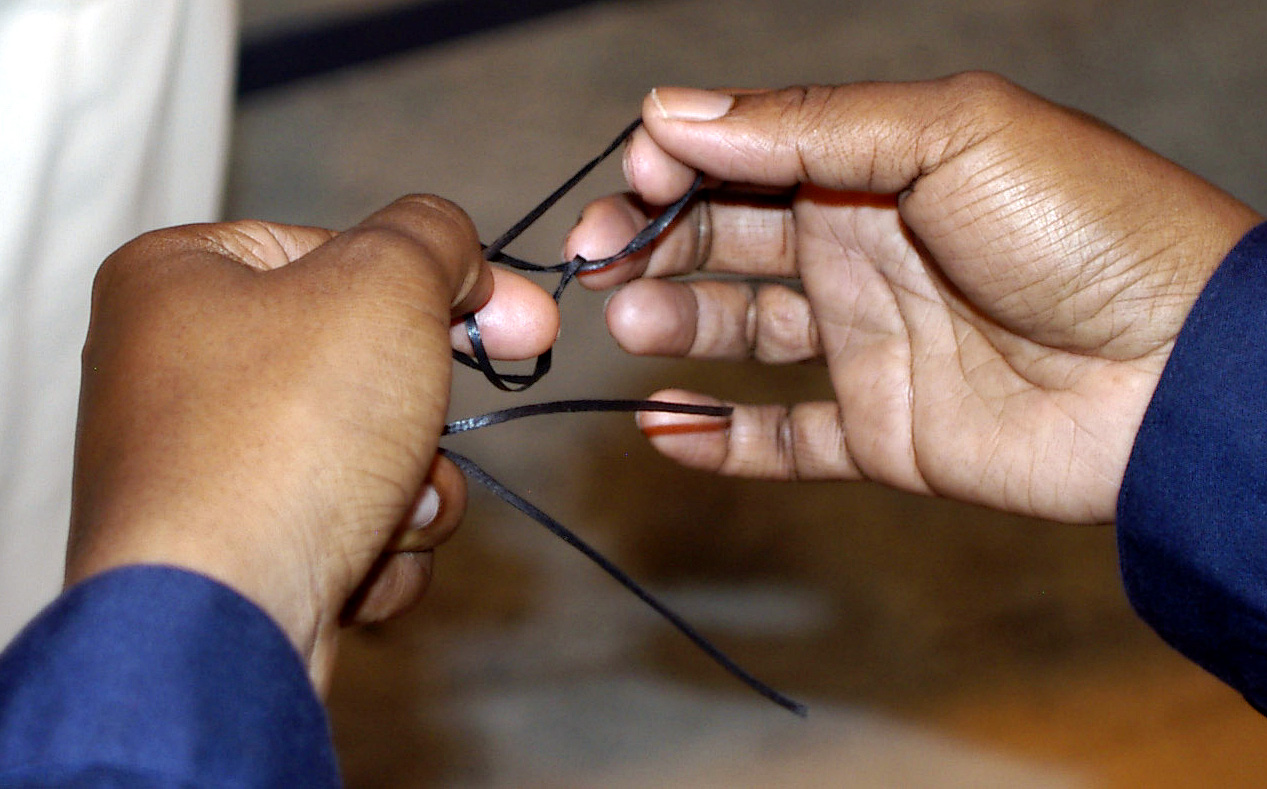
A Sailor demonstrates how to tie a string tie as an example of how to secure wire instead of using zip ties.
Photo by Jim Jenkins
10-wiring3
Dave Quinzani, of NAVAIR, assists a Sailor from NAS Key West in identifying wire corrosion in the tail section of an SH-60F.
Photo by MC2 (SW) Timothy Cox
10-wiring4
A Sailor points out a chafed wire.
Photo by MC2 (SW) Timothy Cox
WAITe
Mike Bingham, of NAVAIR, instructs a Sailor from HSC-28 at NAS Norfolk how to properly and thoroughly inspect wiring in an aircraft.
Photo by Jim Jenkins