
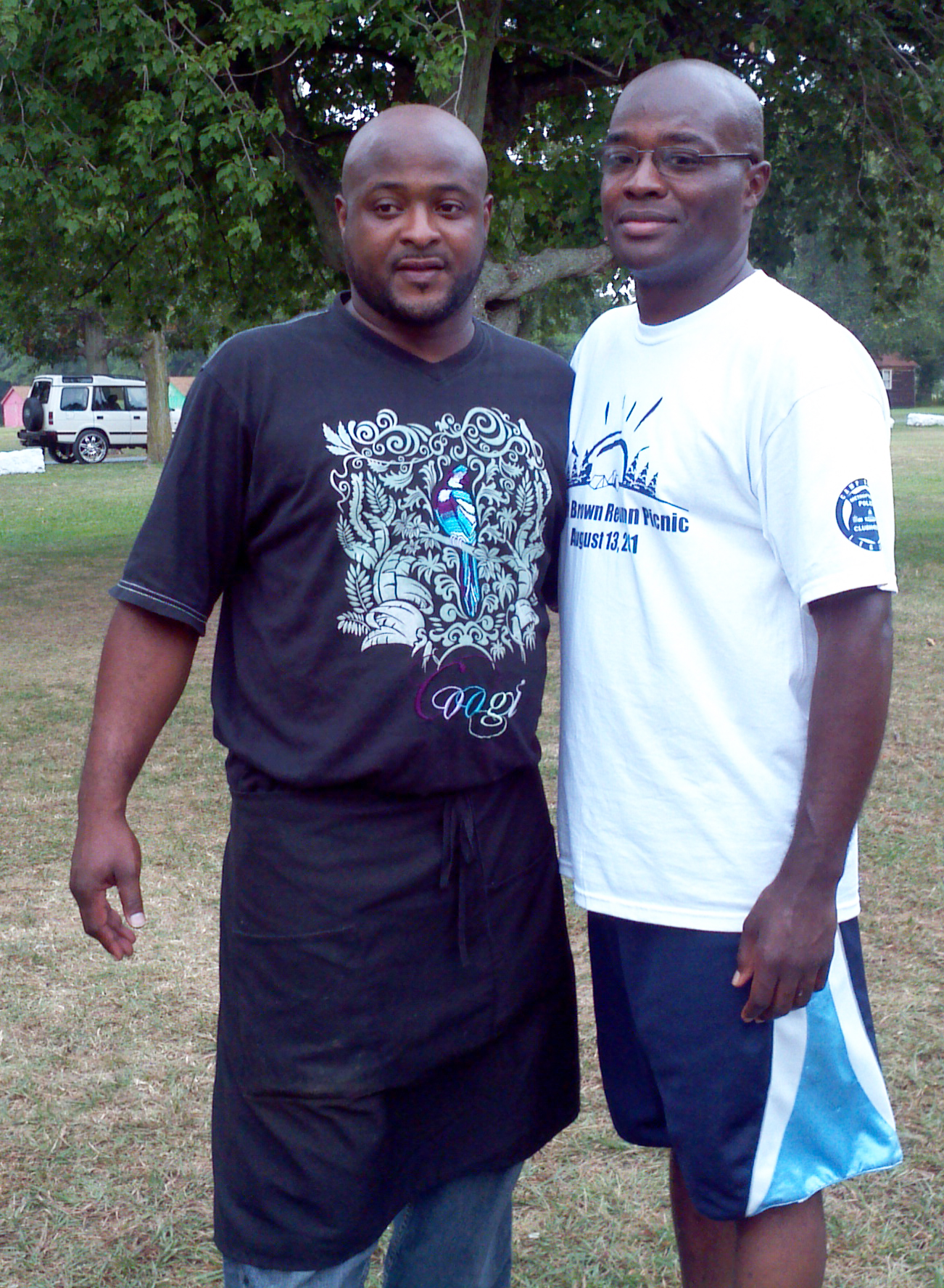
Lashelle Taylor’s brothers, from left, Dennis Allen and James Allen. About two years ago, Taylor donated one of her kidneys to James Allen after he was diagnosed with diabetes and kidney failure. (Courtesy photo)
COMMENTARY: How my kidney donation saved my brother's life
NAVAL AIR SYSTEMS COMMAND, PATUXENT RIVER, Md. — Approximately 21 people die each day waiting for an organ, according to the U.S. Department of Health and Human Services (HHS). My brother could have been a statistic, but two years ago I donated one of my kidneys to save his life.
On May 16, my brother, James Allen, will participate in the National Kidney Foundation’s Capital Area Kidney walk in Washington, D.C., to raise awareness about kidney disease, the need for organ donors and fund programs that educate and support those at risk.
A few years ago, this 3- to 5-mile walk would have been an impossible feat for my brother. James was diagnosed with diabetes two years before his kidneys began to fail. We found out after a sore on his foot wasn’t healing properly and the doctors noticed other symptoms, such as his increased fatigue and decreased appetite.
James started dialysis, but without a kidney transplant his life expectancy was only about five to six years. If he wanted to live a better life, he would need a kidney transplant.
Typically, about 95,000 people are on a kidney transplant waiting list. And although African Americans only make up 13 percent of the population, they account for 34 percent of those waiting for a kidney because they are three times more likely than Caucasians to suffer from end-stage kidney disease, according to the HHS. But despite the odds, we had to stay optimistic.
A co-worker’s intervention
I was surprised when one of James’ co-workers decided to donate her kidney. After it was determined that she was a match, doctors immediately scheduled them both for surgery; but the day before the operation, his co-worker backed out.
I wasn’t angry about her change of heart. In fact, it got me thinking. If this woman was willing to save my brother’s life, why couldn’t I, his sister, do the same?
When I have tough decisions to make, I seek my mother’s counsel. She advised me to pray on it, which I did.
Call it a sign from above, but around this time, I read a story in the base newspaper about a NAVAIR employee who donated one of her kidneys to a fellow church member. Here was another example of someone willing to save the life of an acquaintance. I knew right away I had to do whatever I could, so I scheduled the appointments to see if I was a match.
A perfect match
The process of finding out if I was an organ match for my brother took about two days. It involved getting my blood drawn to determine the quality of the match, and getting a CT scan to check the anatomy of my kidneys. The doctors also needed to ensure I was in good health.
Two weeks later, I finally got a phone call telling me I was a perfect match, meaning there was a very small chance that my brother’s body would reject my kidney. When I told James the great news, he gave me a big hug and started crying.
We were scheduled for surgery at Georgetown University Hospital at 7:35 a.m. on Aug. 13, 2013. With God watching over me, I wasn’t scared at all. After a long, but successful operation, James and I were in the recovery room by 5 p.m.
Life with one kidney
My life hasn’t really changed, but my brother’s has changed dramatically. I feel completely normal with only one kidney. The only thing I must do differently is drink a lot of water to keep the organ flushed, and monitor my medications.
My brother, who before surgery was tired and depressed, now lives an energetic and positive lifestyle. He watches his health, eats a completely vegan diet, and even walks 10 to 15 miles every day.
I hope my story inspires someone to donate a kidney, or any other organ to save a life.
Lashelle Taylor works as an executive assistant for the Program Management (AIR 1.0) organization.
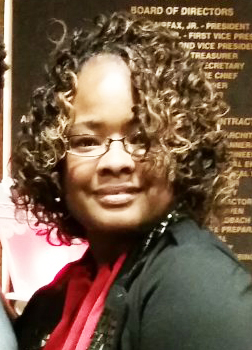
Lashelle Taylor. (Courtesy photo)