

Dan Berardo, Pratt and Whitney J52 program manager, second from left, presents a plaque, accepted by Aircraft Engine Mechanic Don Tenbusch on behalf of the J52 workforce, for the extraordinary service and dedication of all Fleet Readiness Center Southeast (FRCSE) artisans working on the J52 engine as FRCSE Engines Integrated Product Team Head Rick Eveson, left, and FRCSE Commanding Officer Capt. John Kemna look on. Berardo presented the award during a ceremony commemorating the J52 Engine Repair Program which ended Feb. 4 after 50 years of service to the fleet. (U.S. Navy Photo/Released)
Successful J52 engine repair program ends at FRCSE
FLEET READINESS CENTER SOUTHEAST, JACKSONVILLE, Fla. – After 50 years of service to the fleet, the J52 Engine Repair Program officially ended during a ceremony Feb. 4 at Fleet Readiness Center Southeast (FRCSE).
With the U.S. Navy’s transition of the EA-6B “Prowler” to the EA-18G “Growler,” engine overhauls are no longer required to support the platform. The U.S. Marine Corps will continue to fly the aircraft until its final sundown in 2019.
FRCSE Commanding Officer Capt. John Kemna, along with J52 Production Program Manager Mary Rehfeldt, FRCSE Engines Integrated Product Team Head Rick Eveson, and Pratt & Whitney (P&W) United Technologies Company J52 Program Manager Dan Berardo, commemorated the history of the program during an awards presentation for artisans at the Crinkley Engine Facility.
“The FRCSE team has produced reliable, safe J52 engines for our fleet customers since 1965,” said Kemna. “Over the years, we’ve had a cadre of highly skilled team members who have provided a wide range of expert services to make the J52 program successful. You have been steady and consistent in providing the most cost effective and efficient solutions for processing and maintaining the high performance gas turbine engines. I want to personally thank the entire team for your hard work and dedication.”
Rehfeldt stressed the importance of the program over the years. “I think we have repaired approximately 7,500 engines at the military depot,” she said. “It is a bittersweet time in the history of this facility that we gather to celebrate the completion of the final J52 engine overhaul.
Today, we also celebrate and commemorate the friendships we’ve made, skills we’ve learned and the sense of pride in our workmanship for a job well done.”
“We have more than 100 engines ready for issue to support the fleet,” continued Rehfeldt. “This is quite the departure from 1965 when we first starting supporting the engine. This core workforce has consistently overhauled and supported the J52 engine during the Vietnam War, Department of Defense drawdown in the 1970s, expansion of the U.S. Navy during in the Reagan years through Desert Storm/Desert Shield and Operation Iraqi Freedom.”
“This is the last turbojet engine in military service,” added Eveson. “I think this is the workhorse of all jet engines and although we will no longer work on the J52, we will continue to lead the way forward for engine repair and rework into the future.”
During the ceremony, artisans working on the final J52 engine were recognized with certificates of appreciation. Berardo also thanked the FRCSE J52 team for their extraordinary service and dedication in supporting the 12-year partnership to repair the engines and components.
“Pratt & Whitney is proud to have helped support Fleet Readiness Center Southeast in maintaining J52 engines and keeping Prowlers flying in support of our freedom,” said Berardo. “We have had a great relationship with the entire depot team since 1965, and especially during the successful joint U.S. Navy and Pratt & Whitney Component Repair program that delivered more than 21,000 parts since 2002.”
As the ceremony concluded, guests gathered to sign a banner that identified the former J52 Engine Shop and participated in a cake-cutting while reminiscing about the history of the shop.
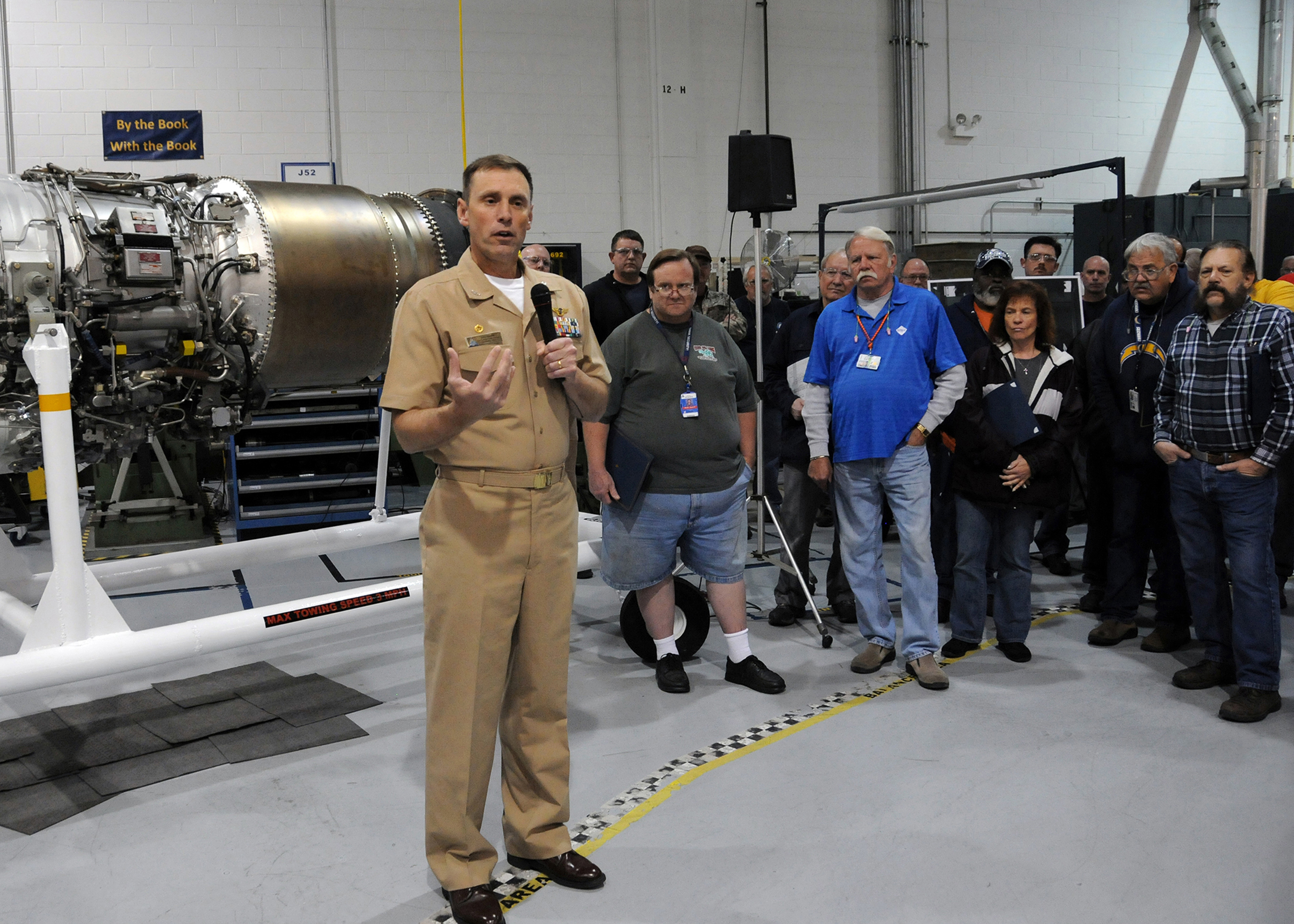
Fleet Readiness Center Southeast (FRCSE) Commanding Officer Capt. John Kemna commemorates the successes of the J52 engine repair work during a ceremony to formally end the 50-year-old program Feb. 4. With the sundown of the EA-6B "Prowler" aircraft, J52 engine overhauls are no longer required to support the platform. (U.S. Navy Photo/Released)
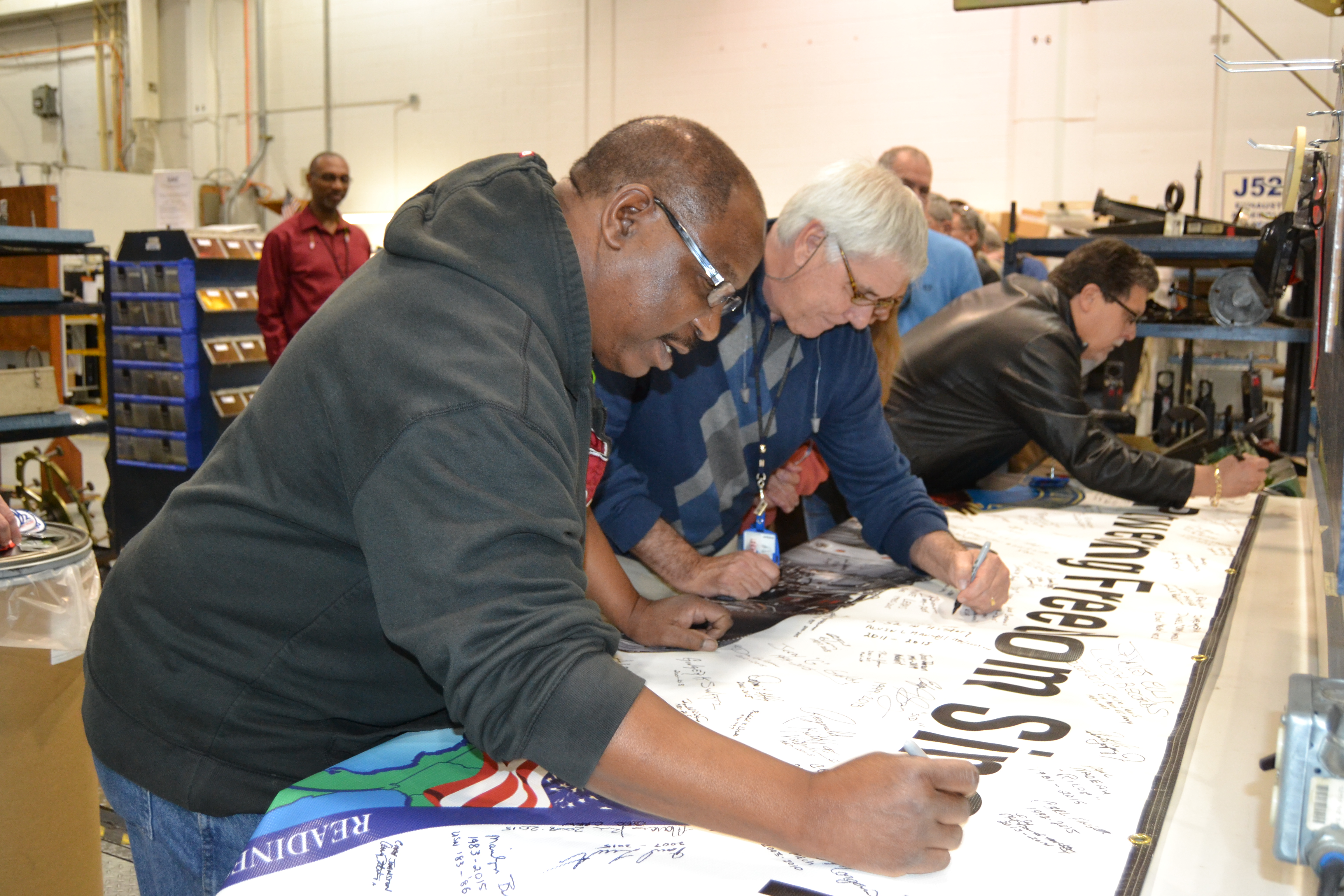
From left, Fleet Readiness Center Southeast Aircraft Engine Examiner James Henderson, FRCSE Business Operations Tactical and Engines Program Manager Michael Schoonover and Chief of Naval Air Training/Program Manager Air 273 Logistics Lead Kevin Rockwell sign a banner commemorating the end of the FRCSE J52 Engine Repair Program Feb. 4. (U.S. Navy Photo/Released)
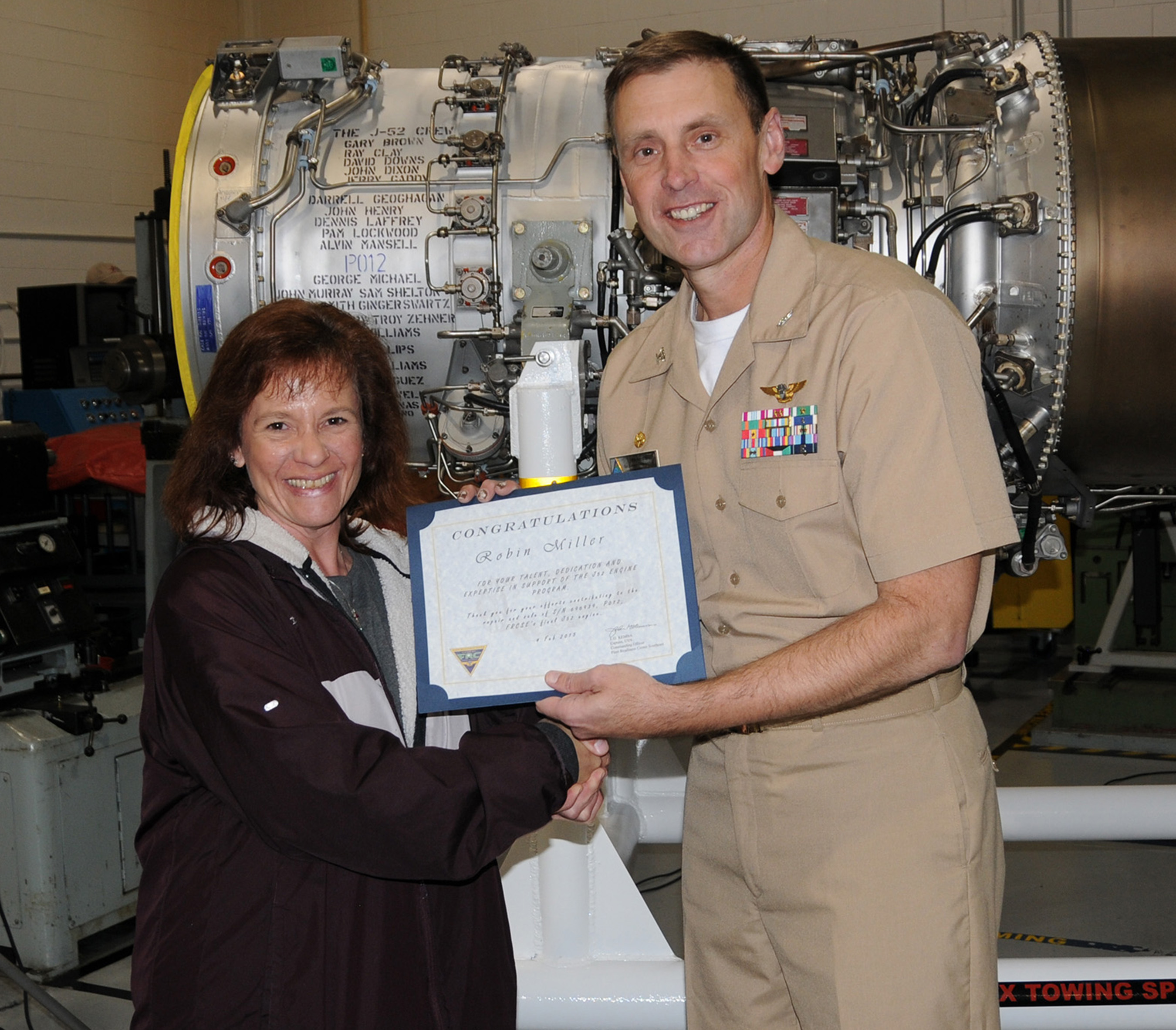
Fleet Readiness Center Southeast (FRCSE) Commanding Officer Capt. John Kemna presents J52 Hub Scheduler Robin Miller with a certificate of appreciation for her support of the J52 Engine program during a ceremony Feb. 4 to formally end the 50-year old engine overhaul program. (U.S. Navy Photo/Released)
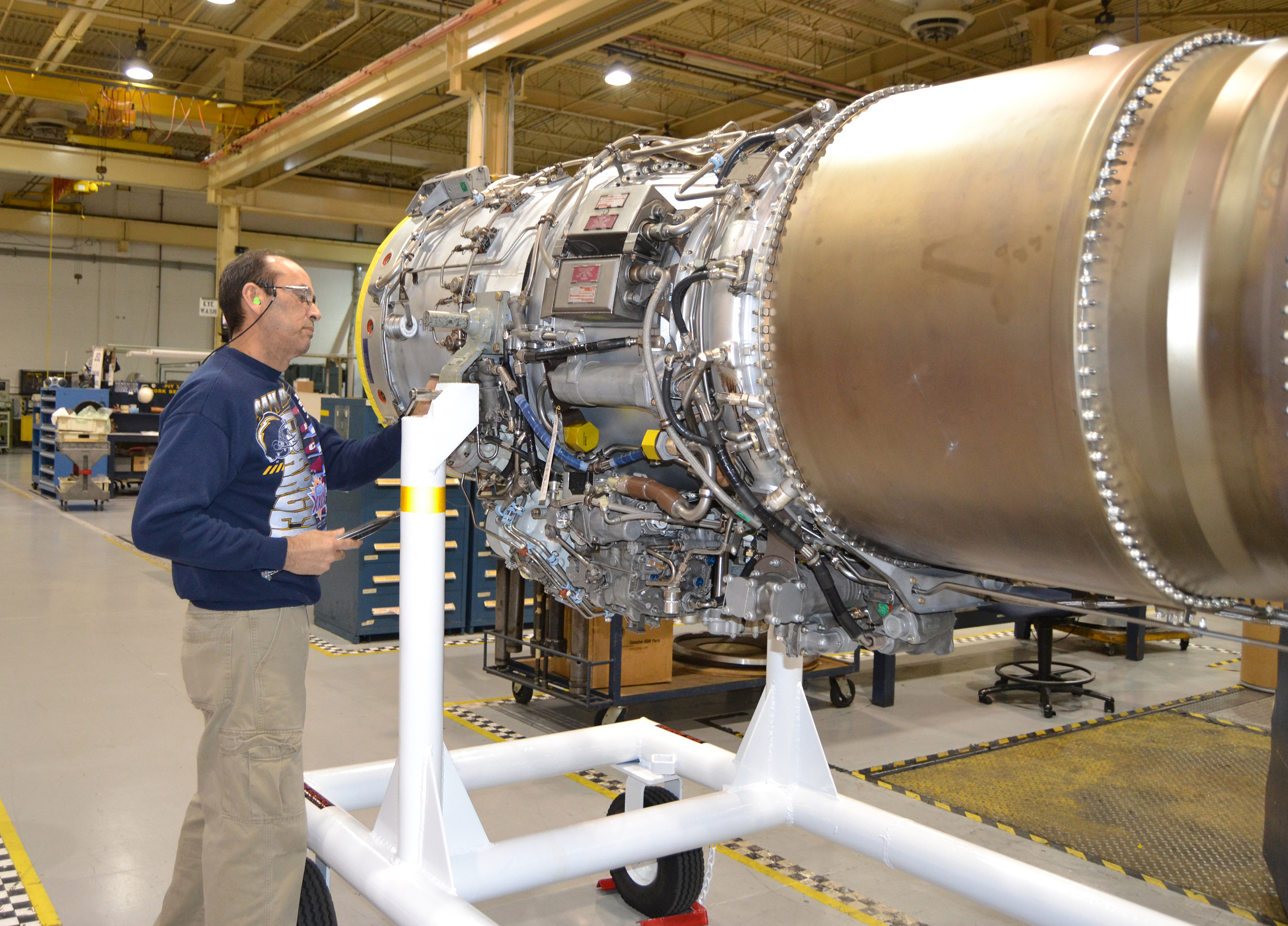
Fleet Readiness Center Southeast (FRCSE) Jet Engine Mechanic Hugo Rodriguez checks a safety wire on the last J52 engine at the Crinkley Engine Facility Jan. 29. The J52 Engine Program, which began at the military depot in 1965, officially came to a close during a ceremony Feb. 4. (U.S. Navy Photo/Released)
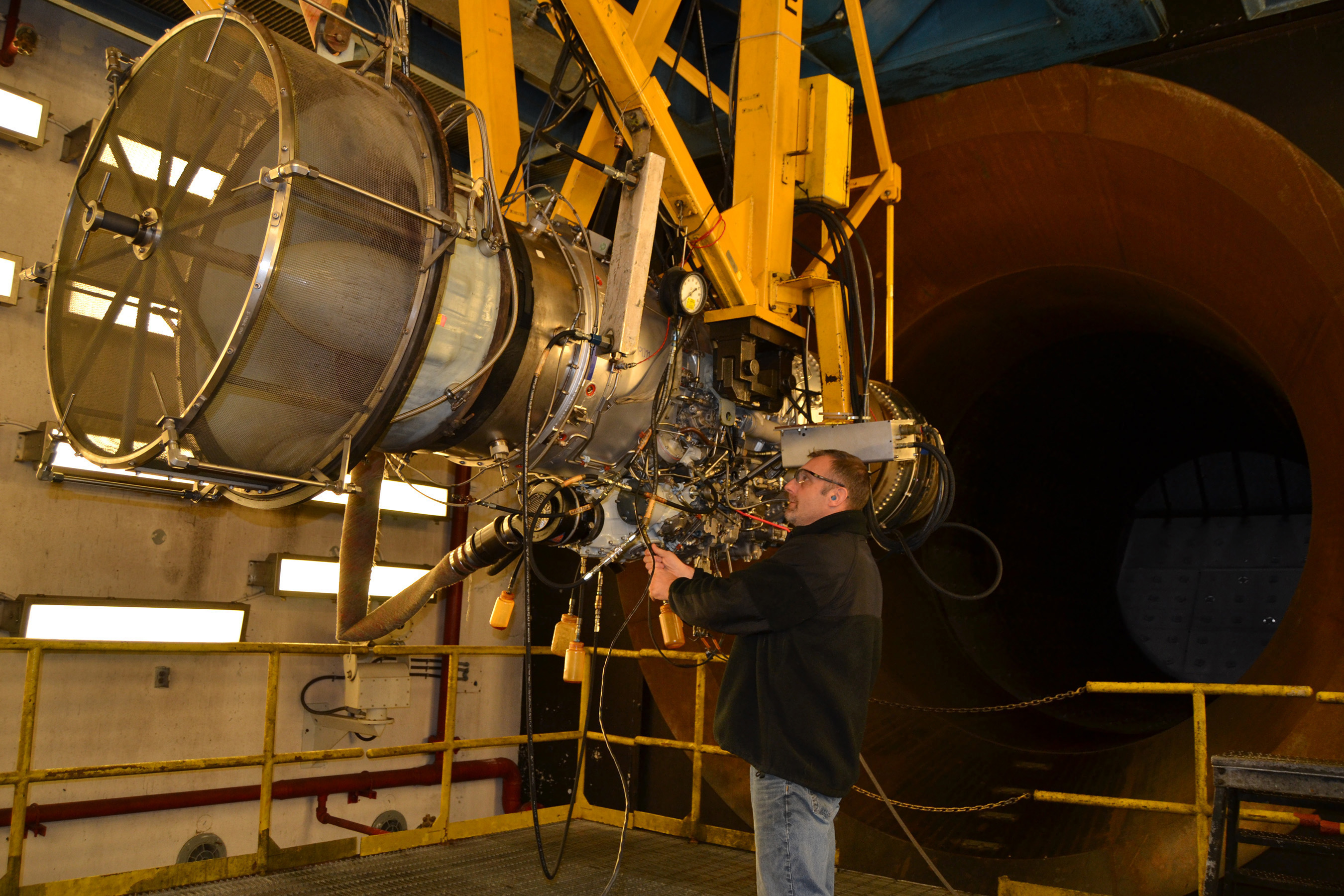
Lee Peyton, a Fleet Readiness Center Southeast (FRCSE) engine mechanic and test cell operator at the Kemen Test Cell Facility, checks components on one of the last J52 engines built by military depot artisans Jan. 13. FRCSE has been repairing the J52 engines since 1965. (U.S. Navy Photo/Released)