NAVAL AIR SYSTEMS COMMAND, PATUXENT RIVER, Md. — The year was 1969, and Richard Pimentel sat in a bunker in Dah Nang, Vietnam, celebrating his survival from a volunteer suicide mission.
His celebration was cut short when a stray bomb exploded in the bunker, causing Pimentel to lose partial hearing, suffer a traumatic brain injury and develop tinnitus, a constant ringing in the ears. His fellow soldiers also suffered permanent hearing and vision loss.
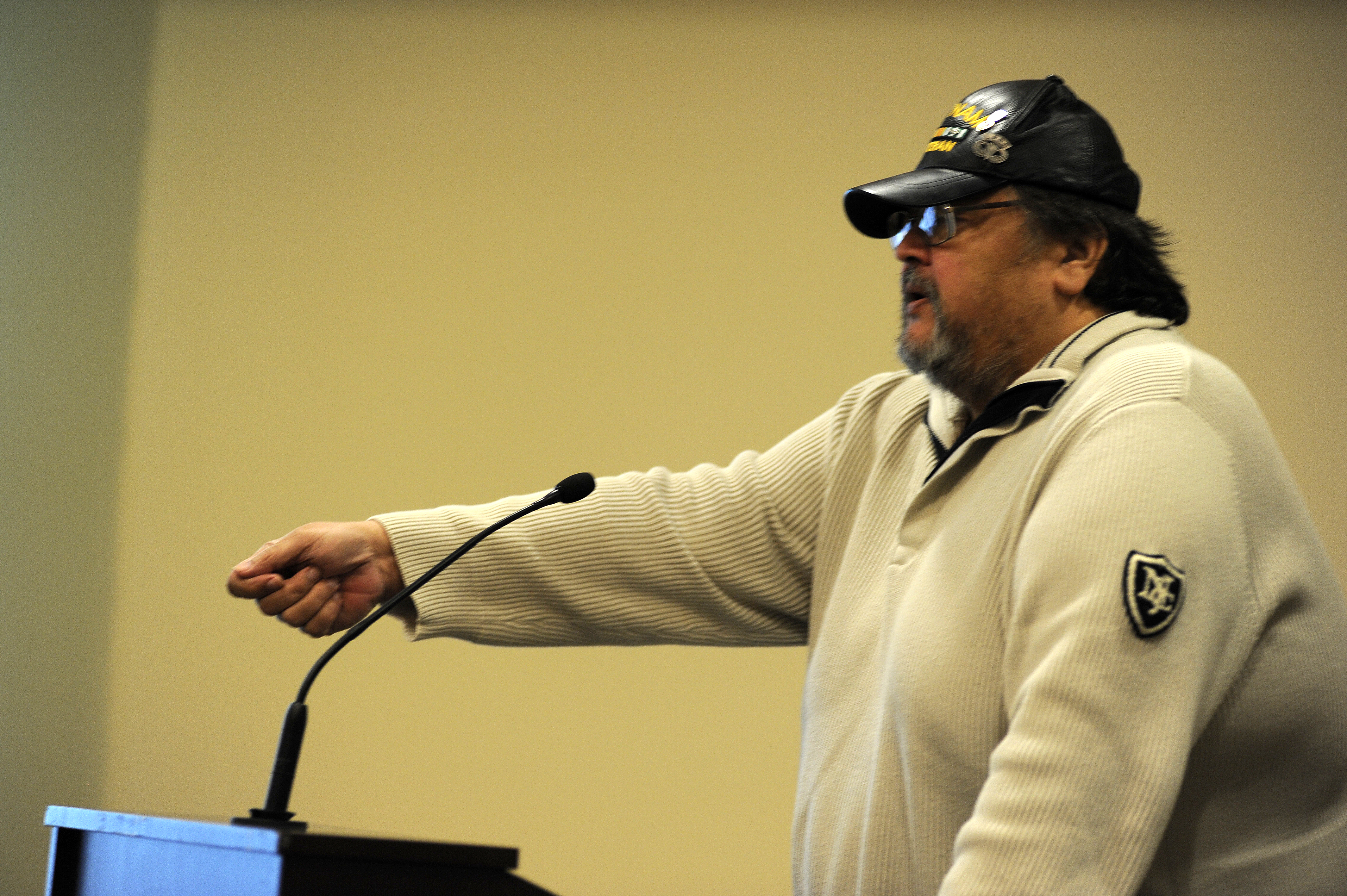
For Pimentel, the explosion marked the beginning of his journey as a person with a disability and his eventual distinction as a nationally known expert on disability education and attitude change. He spoke as part of a NAVAIR event Nov. 28 in honor of National Disability Employment Awareness Month and Warrior Care Month. The event, with the theme, “A Strong Workforce is an Inclusive Workforce: What Can YOU Do?” taught more than 250 employees how to continue to develop and retain diverse personnel.
A 2007 feature film, “Music Within,” tells Pimentel’s life story and his emphasis on giving people with disabilities a voice, both in the workplace and everywhere else. The movie centers around a quotation from Oliver Wendell Holmes, “Most people go to their graves with their music still inside them.”
“People with disabilities are much more likely to go to their graves with their music inside them,” Pimentel said. One way to combat that in the workplace is to offer programs such as NAVAIR’s job shadowing, mentoring and internships, because personal experiences with people with disabilities can often change managers’ perceptions of them.
“The shortest distance between where a person with a disability is and where they want to be is a road illuminated by their dreams,” he said. Achieving their dreams is possible through career development and promotion opportunities, he added.
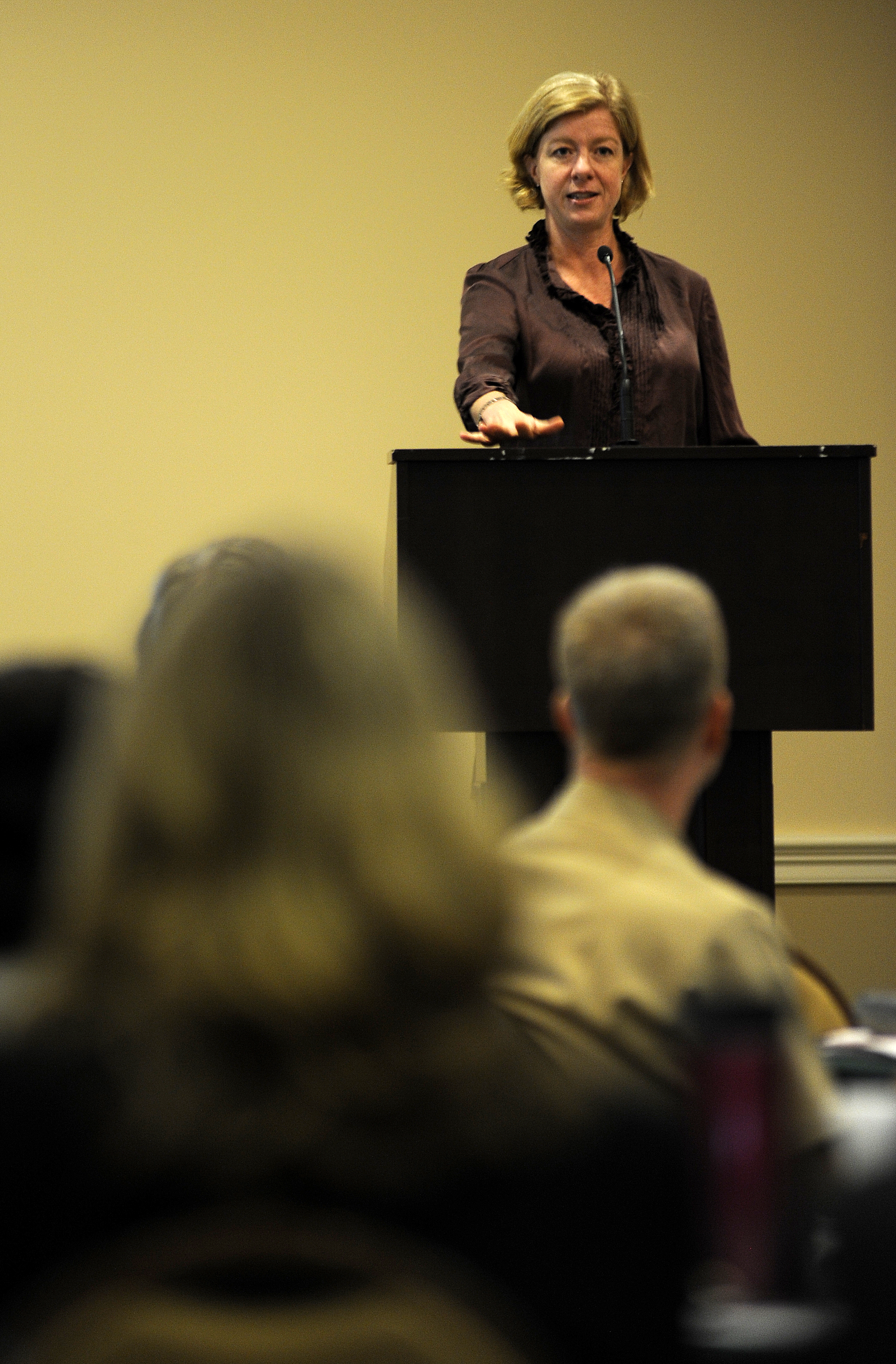
Dr. Heidi Squier Kraft, the event’s other keynote speaker, agreed that wounded warriors and people with disabilities need validation to feel included.
“There is a tidal wave of people coming from these wars with injuries and entering the workplace,” she said. “These people, many times, can feel alone when they return … there are a lot of people who never admit they are suffering.”
She recommends managers institute an open-door policy and be tolerant of the accommodations employees may need.
“We are not talking about mental illness — we are talking about an injury that can be treated,” she said. “Be part of the movement to validate their sacrifice and, one person at a time, let them know we won’t forget it.”
Kraft, a former Navy flight and clinical psychologist, deployed to Iraq in 2004 with a Marine surgical unit. Since leaving active duty, she has continued to serve as a consultant for the Navy and Marine Corps combat stress control programs and works with active duty military with post-traumatic stress disorder.
Both Kraft and Pimentel stressed that people with disabilities and wounded warriors do not want to be seen for their disability, but for their abilities.
“Look at who they are, not just what they are,” Pimentel said. “We don’t value the disability; we value the point of view.” He cautioned that hiring decisions should not be made solely on someone’s disability, but rather on their qualifications and abilities.
As of June 2011, 1 million veterans were unemployed, and the jobless rate for post-9/11 veterans was 13.3 percent. The unemployment rate for persons with a disability was 12.9 percent as of October 2012, according to the Bureau of Labor Statistics.
“The problem might not be with the person with disabilities’ ability, but with the employer’s imagination,” Pimentel said. “Employers are reluctant to hire people with disabilities because they lack confidence in themselves.”
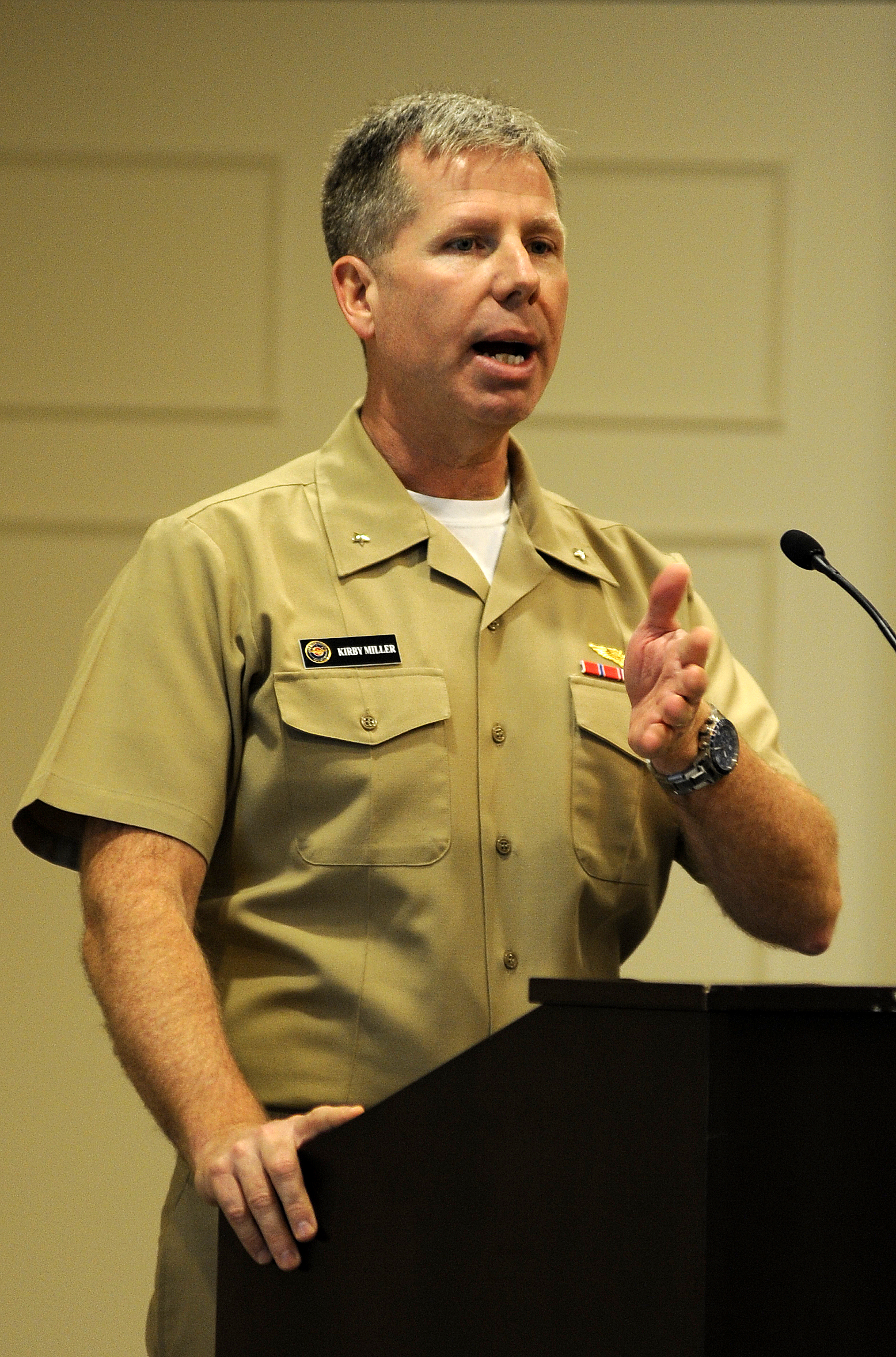
In fiscal year 2012, NAVAIR hired 24 individuals with targeted disabilities, a 20 percent increase from the previous fiscal year. The command also hired 138 wounded warriors who were at least 30 percent disabled, an 11 percent increase, according to Rear Adm. Kirby Miller, NAVAIR’s vice commander and a champion of its Individuals with Disabilities Advisory Team.
“We’re hiring really good people for careers — not just jobs,” he said. “The goal is to hire and retain people.”
NAVAIR offers annual Disability Mentoring Days, meet-and-greet sessions, an Active Duty Intern Program and the Naval Acquisition Development Program for Wounded Warriors to help recruit, hire, train and retain wounded warriors and people with disabilities.
National Disability Employment Awareness Month, held in October, serves to recognize the contributions people with disabilities make to the economy. The military services observe Warrior Care Month each November as a time to reaffirm a commitment to quality health care, education and careers for the nation’s wounded, ill and injured service members.
To learn more about NAVAIR jobs, visit
our jobs website.