
Venlet takes over command of PEO(T)
By BILL SWANSON
NAS Patuxent River Public Affairs
Former NAWCWD Commander Rear Adm. David J. Venlet took command of the Program Executive Office for Tactical Aircraft Programs (PEO(T)) Sept. 17 from Rear Adm. James B. Godwin III in a change-of-command ceremony at Air Test and Evaluation Squadron 23.
Godwin, departing NAVAIR after 12 years and only the third program manager in PEO(T)'s history, received the Legion of Merit Award (with Gold Start in lieu of second award). He will shift anchor from Pax River to Alexandria, Va., where he will head up the Navy Marine Corps Internet.
"A visionary and courageous leader, Rear Admiral Godwin used his vast operational experience and acquisition knowledge to lead seven program management offices to deliver significant current and future readiness while providing offensive power to the Navy and Marine Corps forces, joint forces, and our allies," reads the citation, issued by Navy Secretary Gordon England on behalf of President Bush. "Through his leadership, Naval Aviation Enterprise rapidly established the War Council, War Fighter Focus group, Naval Capabilities Development Process, and Productive Ratios. His actions had a critical and lasting impact on critical national capabilities including the newest Electronic Attack Aircraft, Advanced Hawkeye, AIM-9X [missile], Multifunctional Information Distribution System, F/A-18 Hornet and Super Hornet, F-14 Tomcat, EA-6B Prowler, Joint Helmet and the rapid retrofit of Marine Corps aviation assets with Aircraft Survivability Equipment."
Among the dignitaries attending were John J. Young Jr., assistant secretary of the Navy for research, development and acquisition; seven admirals and two generals. Two of the flag officers were Godwin's two predecessors at PEO(T), Vice Adm. John "Spider" Lockard, formerly commander of NAVAIR, and Rear Adm. Jeff Cook.
The keynote speaker, Rear Adm. Bert Johnston, NAVAIR vice commander, noted that during Godwin's four-year tenure as head of PEO(T), he was responsible for $45 billion in contracts, adding that Godwin's use of a long-term acquisition strategy using multi-year contracts saved the taxpayer $1.86 billion for the Hawkeye, Hornet and Super Hornet programs.
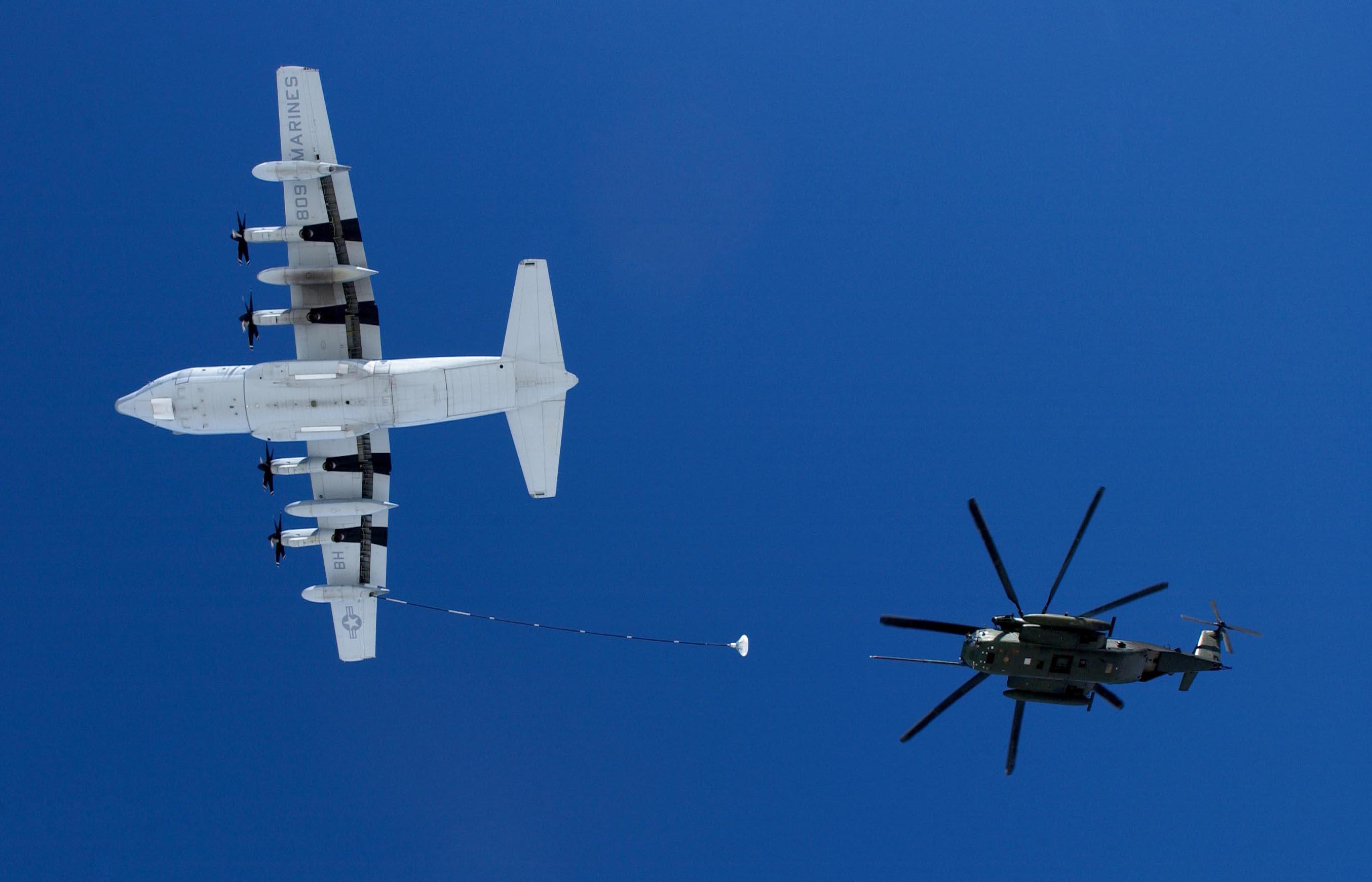
Johnston said that when the Marine Corps asked that its helicopters and C-130 Hercules transports and tankers headed for Iraq and Afghanistan be retrofitted with gear from the Aircraft Survivability Equipment program, Godwin became personally involved in expediting that request in time for combat operations.
In welcoming Venlet to Pax River and PEO(T), Johnston noted that as commander of NAWCWD at China Lake, Venlet was responsible for 34 percent of all the Navy's land mass assets worldwide, which included 2,500 buildings, 1.1 million acres of land ranges and an annual budget of $1 billion.
Venlet is a veteran F-14 Tomcat and F/A-18 Hornet pilot, graduated from the United States Naval Test Pilot School here, and was the first Navy pilot to land a T-45 Goshawk aboard an aircraft carrier, USS John F. Kennedy (CV 67), in 1991.
Johnston said that in 1981, before becoming a pilot, Venlet was a radar intercept officer aboard one of two F-14s involved in what has become known as the Gulf of Sidra Incident. The two F-14s were deployed aboard USS Nimitz (CVN 68) and were on a combat air patrol covering a nearby missile exercise when they were engaged and fired upon by two Libyan Su-22 aircraft after the F-14s crossed Libya's "Line of Death" flight zone. The F-14s evaded the missile and were cleared to return fire, subsequently shooting down the two Su-22s with AIM-9 Sidewinder missiles, the first combat kills for the F-14 aircraft. Venlet received the Distinguished Flying Cross for his role in the incident.
Venlet was born in Pottstown, Pa., and graduated from the Naval Academy in 1976. Fleet tours include VF-41 as a Tomcat RIO deployed with USS Nimitz. Redesignated a Naval aviator, he served with VF-143 as an F-14 Tomcat pilot deployed with USS Dwight D. Eisenhower (CVN 69) and in Fleet Replacement Squadron VF-101 at NAS Oceana, Va.
Designated an aerospace engineering duty officer in 1988, he is a graduate of TPS and holds a master of science in aerospace engineering. Venlet served as a test pilot at NATC Patuxent River.
NAVAIR tours include the F/A-18 program in various capacities including class desk officer and deputy program manager. He served as executive assistant to the commander, NAVAIR, and then served as program manager for Air to Air Missiles (PMA-259) involving AIM-9X development.
Venlet assumed command of NAWC Weapons Division in January 2003 with responsibility for Navy weapons and systems RDT&E and fleet support capabilities at China Lake and Point Mugu. He is also the NAVAIR assistant commander for test and evaluation across NAVAIR national test and range capabilities. He is a member of the Society of Experimental Test Pilots and has flown 28 different types of aircraft, accumulated over 3,100 flight hours and 560 carrier landings.
-USN-
Rear Adm. James B. Godwin III, left, salutes Rear Adm. David J. Venlet during a change-of-command ceremony Sept. 17. Venlet took over as program executive officer for PEO(T), while Godwin moves to head NMCI.
Photo by Roger LeJeune