
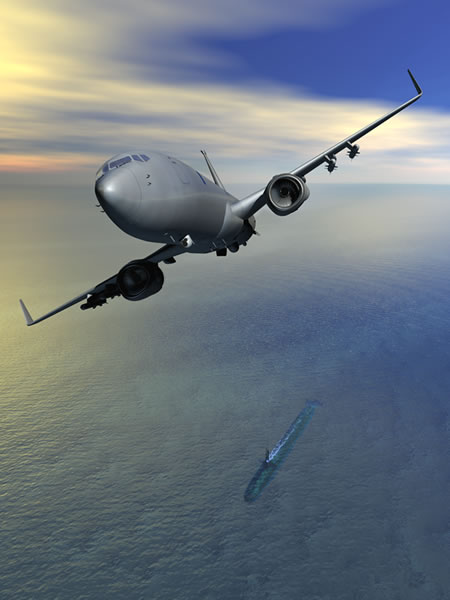
MMA looks at ‘human element’ early in acquisition process
By Renee Hatcher
MMA Public Affairs
NAVAIR’s Maritime Surveillance Aircraft (PMA-290) program office’s Multi-Mission Maritime Aircraft (MMA) program may be in the early stages of development but it is taking a dynamic and unique approach to an area that is often overlooked in the acquisition process – the human element.
The program has a comprehensive plan for Human Systems Integration (HSI) that is documented in MMA’s Human System Integration Plan (HSIP). The goal of the HSIP is to optimize total system performance, minimize total ownership cost, and ensure that the system meets the needs of the users.
“Human-related constraints and goals should be identified early in any good acquisition process,” said Chuck Kaylor, an engineering psychologist at NAVAIR. “MMA took the lead in HSI by quickly developing an HSIP that was implemented at the system engineering level.”
HSI is a process that ensures human performance constraints, manpower, personnel and training, and safety/health aspects are considered throughout the design, development, fielding, and sustainment of a weapon system. A recently issued Department of Defense Instruction identified seven specific areas that make up HSI. They are: human factors, manpower, personnel, training, safety, habitability, and survivability.
“In the MMA program, we are proactively embracing HSI requirements upfront and systematically as part of our overall systems engineering process focus,” said James Lackey, deputy integrated program team leader for MMA.
Jim Monfort, MMA training systems manager, pointed out, “The MMA Training Integrated Product Team initiated a front-end analysis (FEA) to ensure HSI aspects of the training system development were addressed early in the acquisition life cycle.”
As the MMA design is further refined, the FEA processes developed to support HSI will provide the program office with recommendations on manpower. Results of HSI implementation will also be considered regarding the design of facilities, and safety requirements for both government and commercial support. The MMA team also implemented the Aircrew Systems Advisory Panel (ASAP) to encompass all positions of the aircraft. Included in the ASAP are members of three squadrons - VX-1, VX-20, and VP-30.
“Selecting the right number of people and determining they have the proper knowledge, skills and abilities are vital to ensuring the MMA can operate in a safe and effective manner, Kaylor said. “Since HSI looks at more than the immediate operator-machine interface, it will also help ensure the people who work on and near the aircraft are safe and qualified.”
When aircrew and maintainers can efficiently and effectively manage a system, errors and costly training systems can be reduced. Manpower (aircrew and maintenance) and training are two of the biggest factors in total life cost for most weapon systems. Experts in HSI said there are cost savings associated with implementing this concept.
“HSI will save programs money by identifying and solving human engineering issues,” Kaylor said. “When the human elements of the weapon systems are considered early in development, the training can then be developed to match the KSAs (knowledge, skills, abilities) of the skill sets that will operate the aircraft.”
One of Adm. Vern Clark’s, chief of naval operations, recently released initiatives is the Human Capital Strategy (HCS). MMA is quickly becoming known as one of the cornerstones of HCS.
“The MMA team crafted a very forward leaning acquisition strategy that was tied to the Navy leadership's vision for the future, incorporating critical HSI concepts into our formal requirements,” said Capt. Steve Eastburg, Maritime Surveillance Aircraft program manager. “MMA is one of the Navy’s most important programs. It is transforming and setting the standard for Navy acquisition.”
(For more information, call Renee Hatcher at 301-342-0207.)