
Navy awards depot engineers for designing huge cash savings
By Mike Barton
Public Affairs Specialist
Three NADEP Cherry Point engineers were rewarded recently for their efforts in not only saving the fleet big bucks, but for also making life easier on fleet maintenance personnel while improving current and future readiness for the warfighter.
Michael Bryson, Joshua Honaker and David Hibbs, electrical engineers for the NADEP Avionics Department, received the depot’s first Cost Reduction Incentive Award here (date) for cost reduction proposals that are expected to save millions of dollars within the first three years of implementation. Awards were presented by National Avionics Department Head Capt. Robert Boyd (USN), Deputy National Avionics Department Head Larry Hollingsworth and Dennis West, the depot’s Research and Engineering Group head.
Bryson was awarded for his proposal to redesign No. 1 and No. 2 E1 engine white harness assemblies for the H-60 helicopter. Flight crews were getting erroneous turbine gas temperature readings in the cockpit, which led to frequent replacement of the assemblies. An engineering investigation was initiated due to the high volume of the harnesses that were being replaced. The problem was an age-old one for Navy and Marine Corps aircraft – the failures were due to moisture. “There was no easy Band-Aid for this problem,” said Bryson. “We knew it needed a complete redesign.” Like many of the parts on these helicopters, their designs had never changed from the originals. According to Bryson, the new design should be in place within the next two years.
Honaker faced a similar challenge on a different system. He had to help find a way to prevent recurring corrosion on H-60 avionics antennas. The problem was not only causing damage to the antennas and their electrical couplings, but also required maintenance personnel to waste valuable time inspecting and replacing damaged parts. Honaker’s goal was simple – find a way to prevent the corrosion in the first place, which would lead to much longer life of the equipment as well as fewer scheduled inspections.
His first breakthrough came when he determined that the moisture was not reaching the damaged areas from the outside of the aircraft as first suspected, but from inside, where moisture could freely find its way to the connectors. From there, it was a matter of finding a better gasket material and additional ways to seal moisture out from the critical area. His solution was a three-part sealing process that is so effective that current testing shows the parts to be protected indefinitely. This process alone is slated to change the fleet’s current inspection schedule of the antennas from every 28 days to one year. Honaker hopes that continued testing would allow the process to extent to the two-year “depot to depot” cycle.
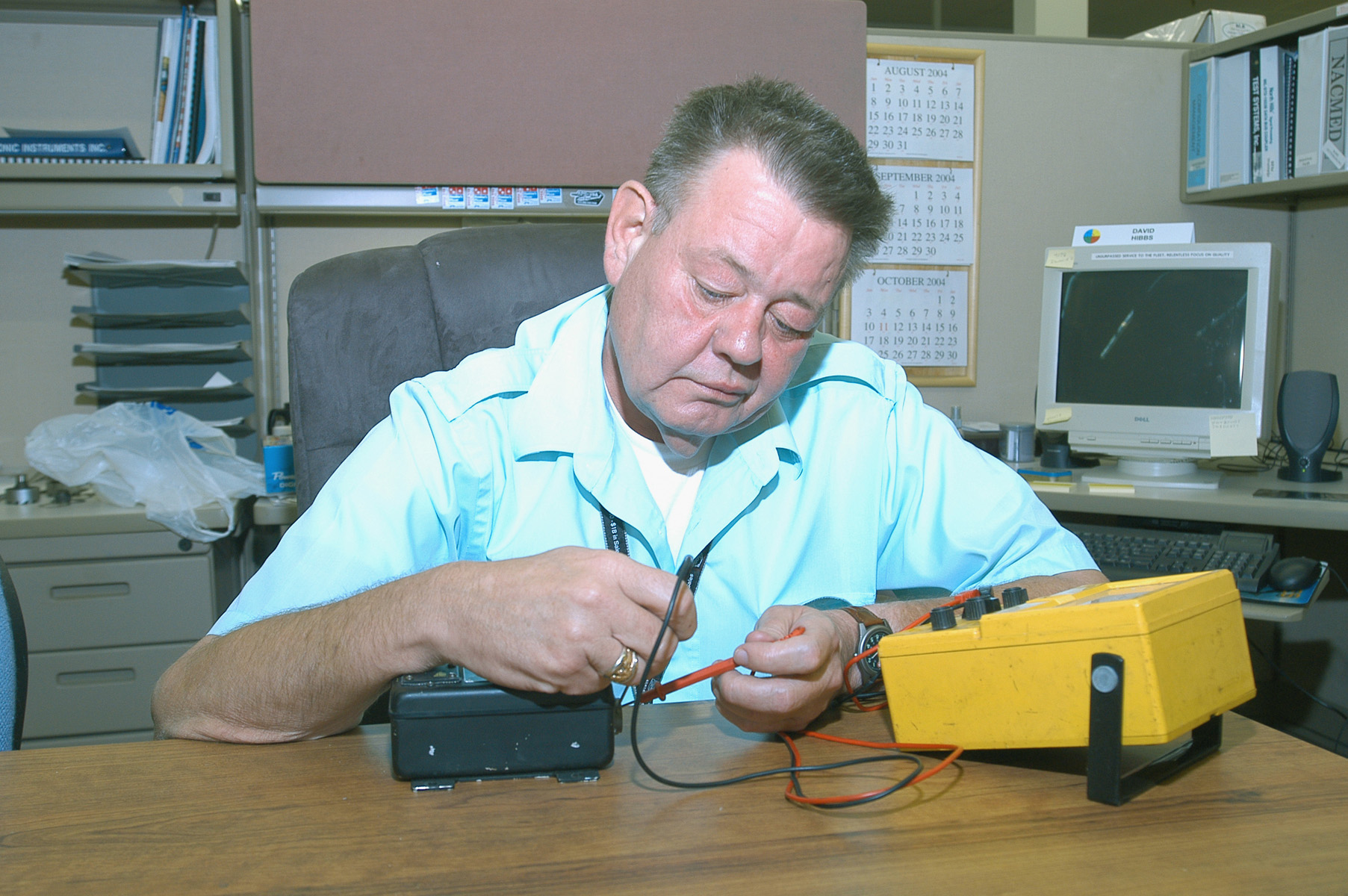
Hibbs captured the award through a perfect example of using brains over brawn – he got his original idea from the U.S. Army. The equipment that he addressed was the H-1 helicopter embedded global positioning system/internal navigation system. In simple terms, too many of the systems were being sent by the fleet back to the manufacturer for repair when those systems were still operable, thanks to erroneous readings by the aircraft’s onboard computer. This problem has been costing all of the services lots of money. The Army’s highly successful solution was to design a test device that can be used at the intermediate level to intercept working devices before they are sent for repair. Using the Army’s concept and software, combined with “the normal grunt engineering work,” Hibbs is arranging to have similar devices built for the Navy/Marine Corps team.
Actual projected savings for the three proposals during the first three years are in excess of $2 million, with additional millions per year afterward.
-30-
Cutline: David Hibbs, electronics engineer, performs a continuity check on an RPM limit detector. Hibbs was awarded for his proposal to build a test device that could save the Navy more than $600,000 the first year alone. (Photo by Mike Barton)