FRCSE artisans recycle aircraft parts to improve readiness
FRCSE artisans recycle aircraft parts, improve readiness
By FRCSE Public Affairs
Jacksonville, Fla. — Badly damaged aircraft and those at the end of their service life are often returned to Fleet Readiness Center Southeast (FRCSE) where the valuable parts are harvested and recycled back to the Fleet.
Recycled components or in some cases whole sections, such as the cockpit enclosure or the wings are also used at intermediate-level depots for Planned Maintenance Intervals (PMI) or for repairs with the remainder sent to the Navy’s supply system as readiness-based spares.
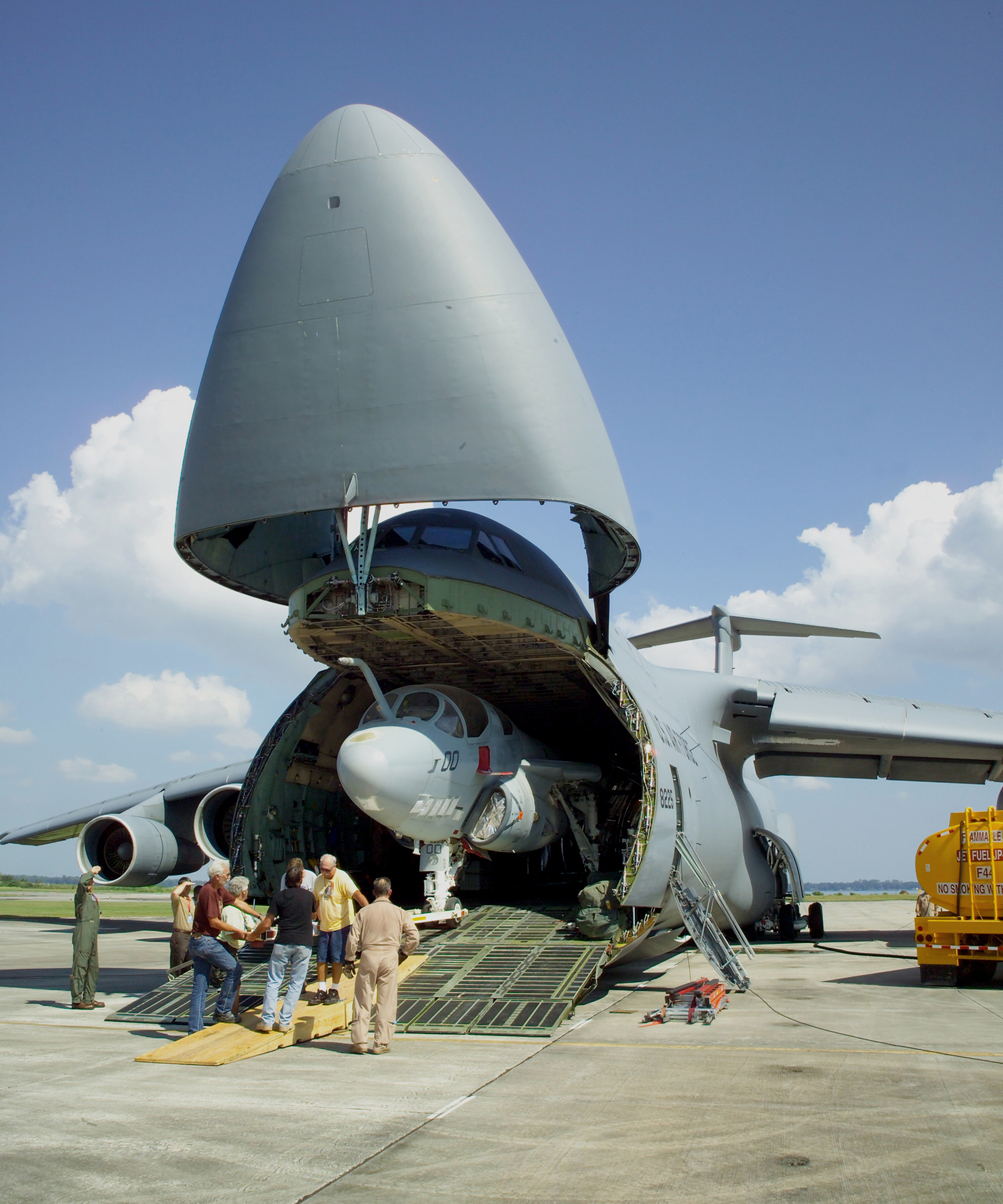
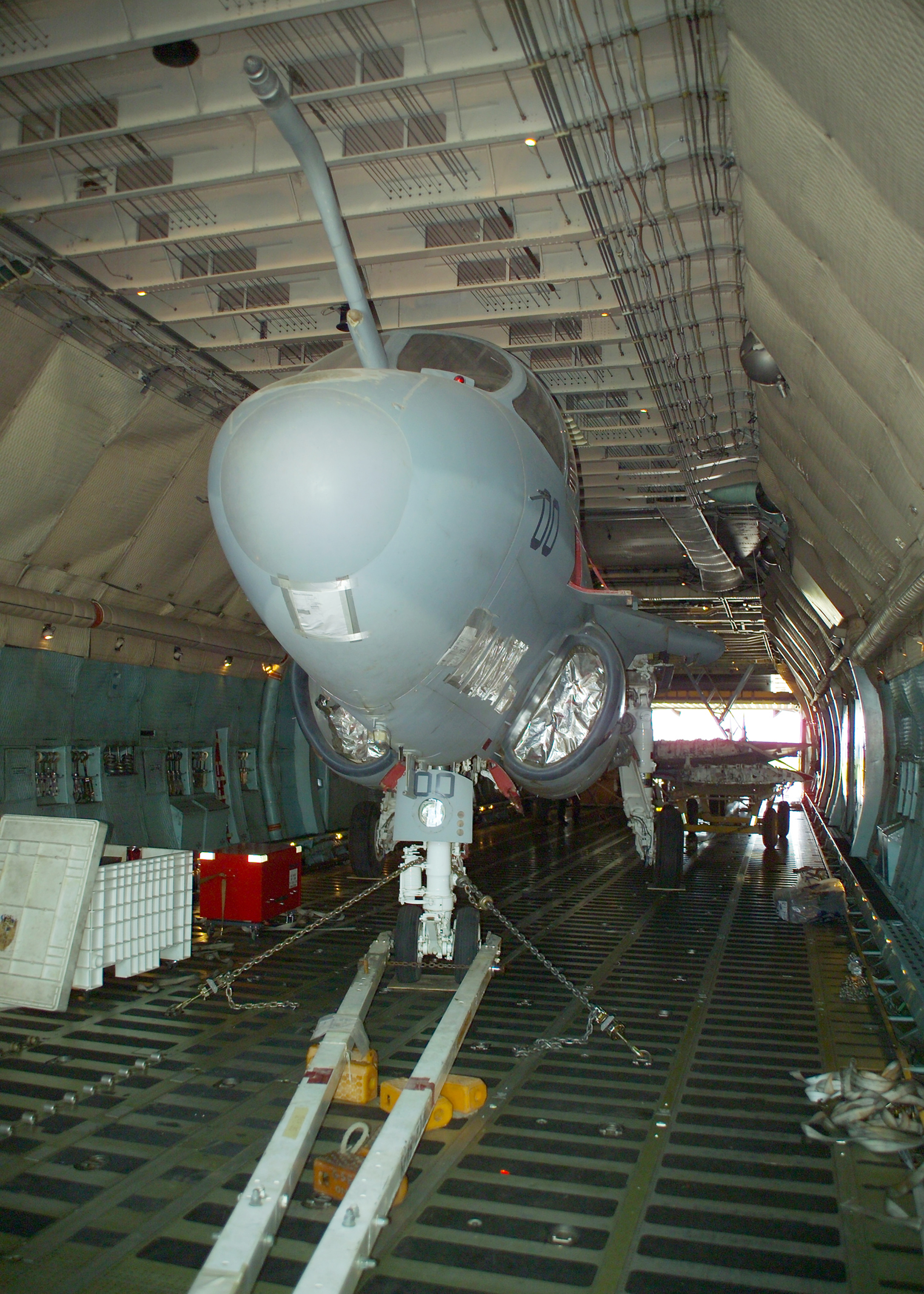
But getting a downed aircraft back to a repair facility can be problematic. One such aircraft, a broken down EA-6B Prowler tucked in the belly of a colossal C-5 Galaxy arrived from Iraq at Naval Air Station (NAS) Jacksonville in October 2009.
Five FRCSE artisans traveled to Al Asad for three weeks in September to prepare the Marine Corps Prowler for transport back to Florida.
“The Marines were swapping good parts for bad to keep their aircrews flying,” said Planner and Estimator Chuck Smithson who served as the team lead.
The FRCSE team was confronted with harsh working conditions during their brief stay in the desert.
“We had to get special permission from the post commander to work on flag day which meant the temperature was 103 degrees or better,” said Smithson.
Sheet Metal Mechanic J.R. Brantley said they worked 12-hour days with temperatures reaching as high as 106 degrees, and the sandstorms were as equally unforgiving.
“The sky would turn black like in the movie, The Mummy,” said Clinton Johnson, also a Sheet Metal Mechanic. “You could see it coming across the desert. It was brutal.”
Nevertheless, the team prepared the aircraft for transport in record time.
“We took it apart and helped load it,” said Sheet Metal Mechanic Andrew DeStefano. “It took us three days to do it, which has never been done before. We spent another two weeks just waiting for the C-5 to arrive.”
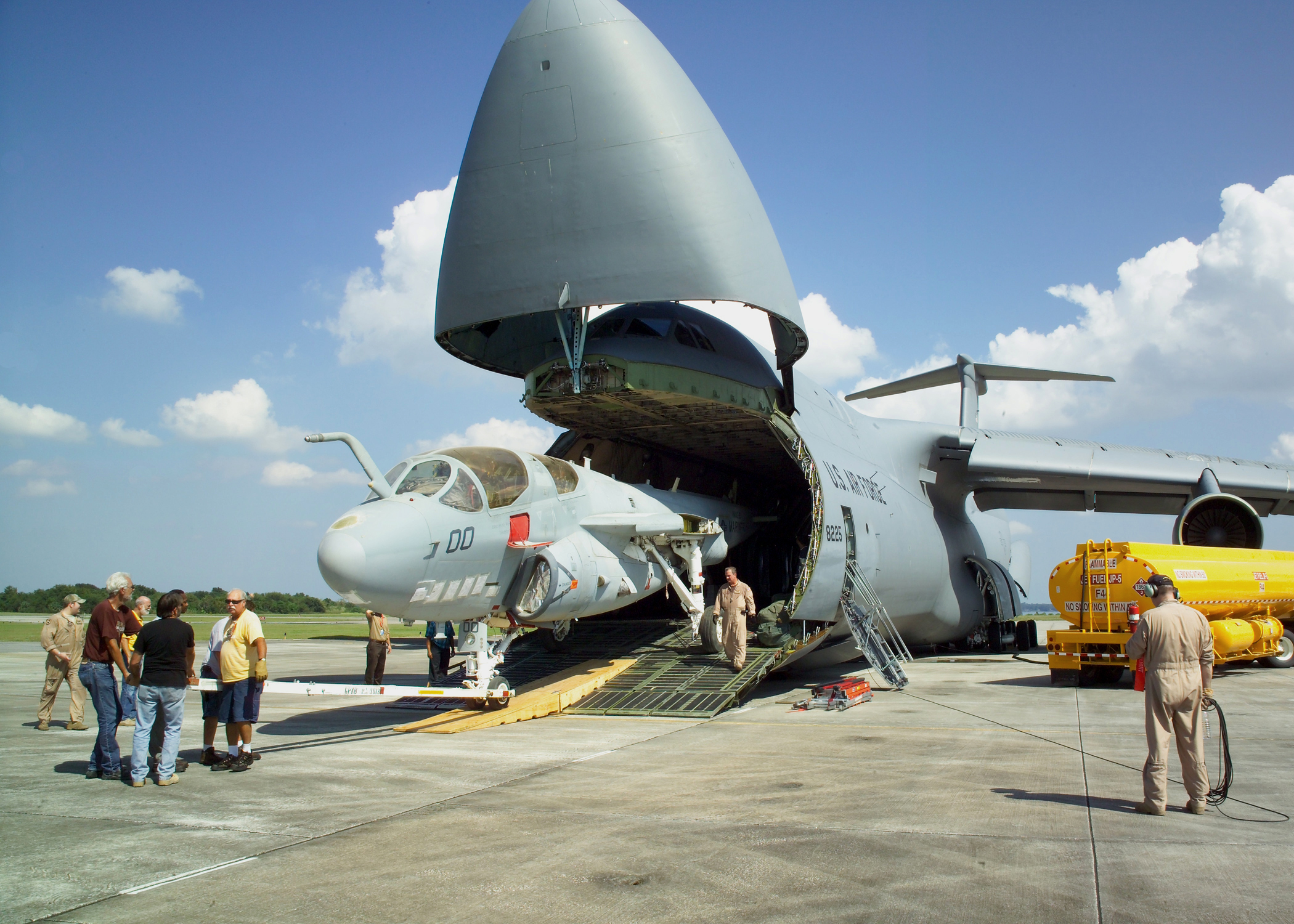
Sheet Metal Mechanic John End, a retired Navy chief petty officer, also volunteered to transport the defunct jet downed by a broken bulkhead. He and the team built a wooden ramp to move the Prowler on and off the Galaxy.
Back in Jacksonville FRCSE artisans were standing by, but the expensive asset that underwent PMI in September 2008 could not be saved. However, many of the aircraft components estimated to be worth more than $14 million were salvageable.
The Navy’s Stricken Aircraft Reclamation and Disposal Program (SARDIP) is designed to fund the reclamation of parts and to demilitarize the remainder of the aircraft. This not only cuts costs but also improves Naval aviation support.
The Naval Inventory Control Point (NAVICP) identifies needed parts and supplies the Fleet, the Marine Corps, and Joint and Allied Forces with a wide variety of components that keep combat forces mission ready.
SARDIP Program Manager Tony Pudoff said, “We receive funding from NAVICP to harvest the Prowler parts. Sometimes they have requests for ‘hot fill’ items like the landing gear or flight controls. By not having to wait for a part here at the depot, we take out any scheduling risks. Our return on investment is huge.”
FRCSE artisans recover about 300 parts from each stricken aircraft at a cost avoidance of about $9 million to the Navy. For every dollar spent to salvage the Prowler’s reusable items, the Navy recovers nearly $113 worth of materials.
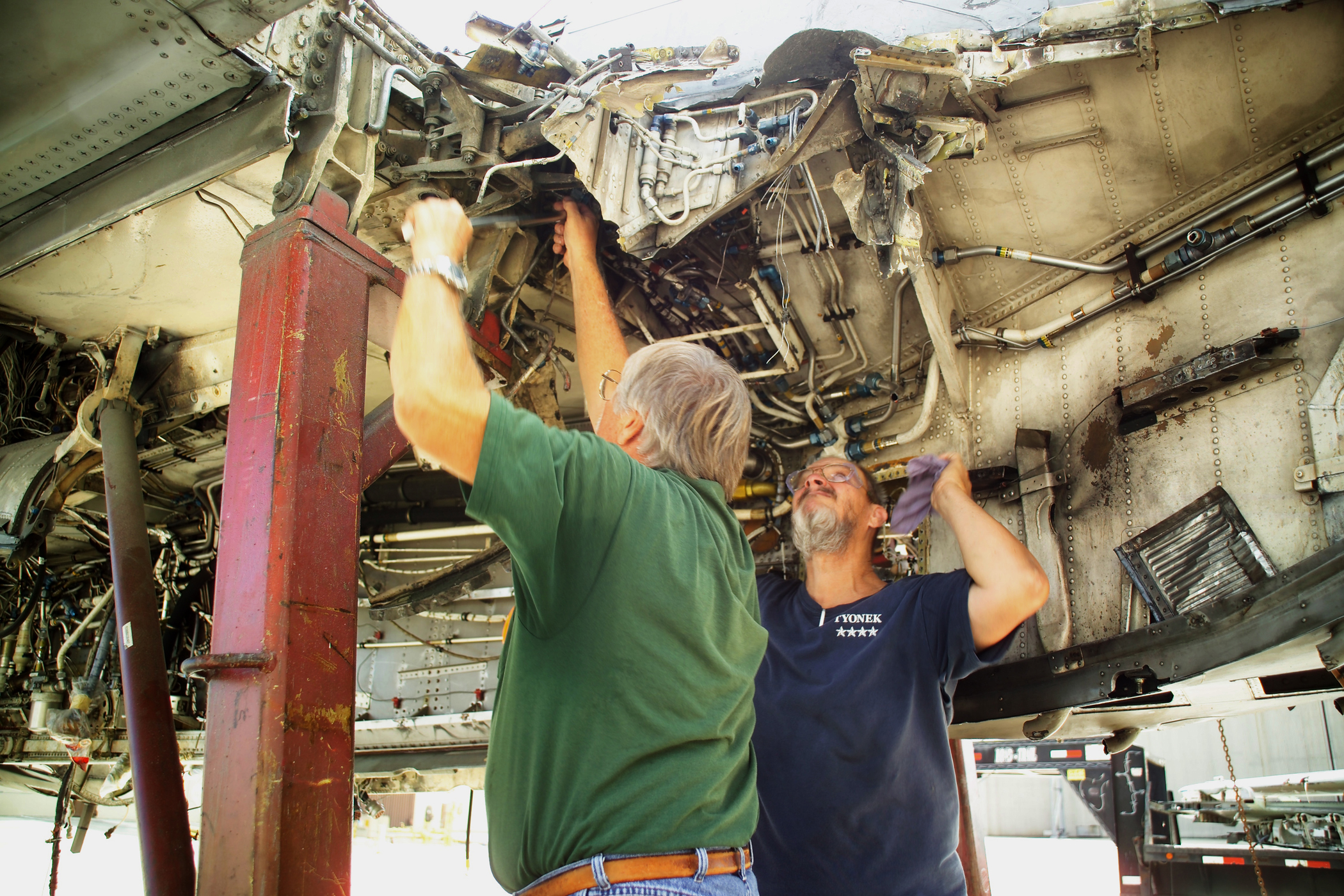
Don Foulk, the EA-6B Production Logistics Manager said, “We get our hands on every nut and bolt that has something to do with our program. We pick the bones up to the last minute before the aircraft is cut up. This is the ultimate in recycling.”
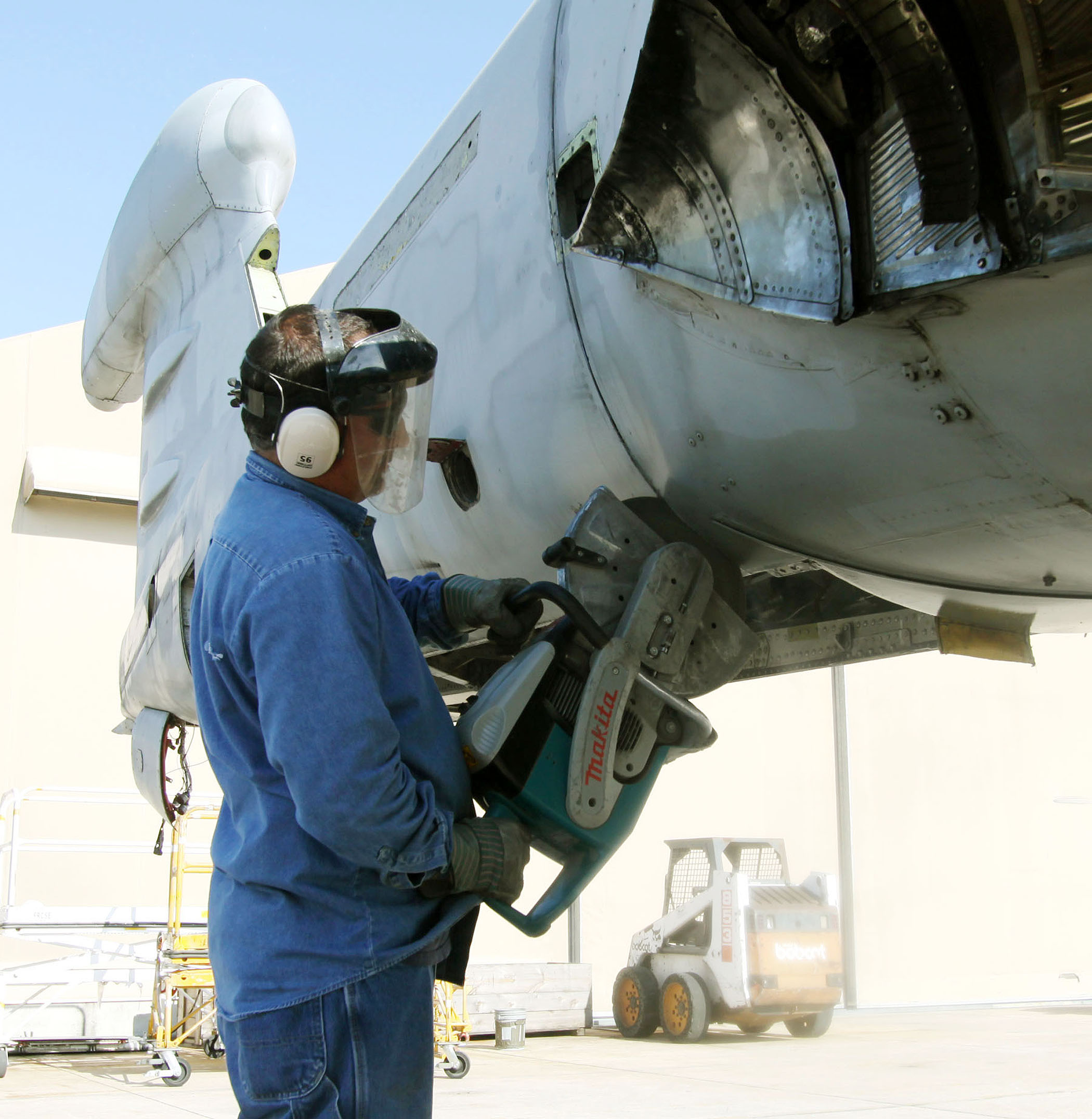
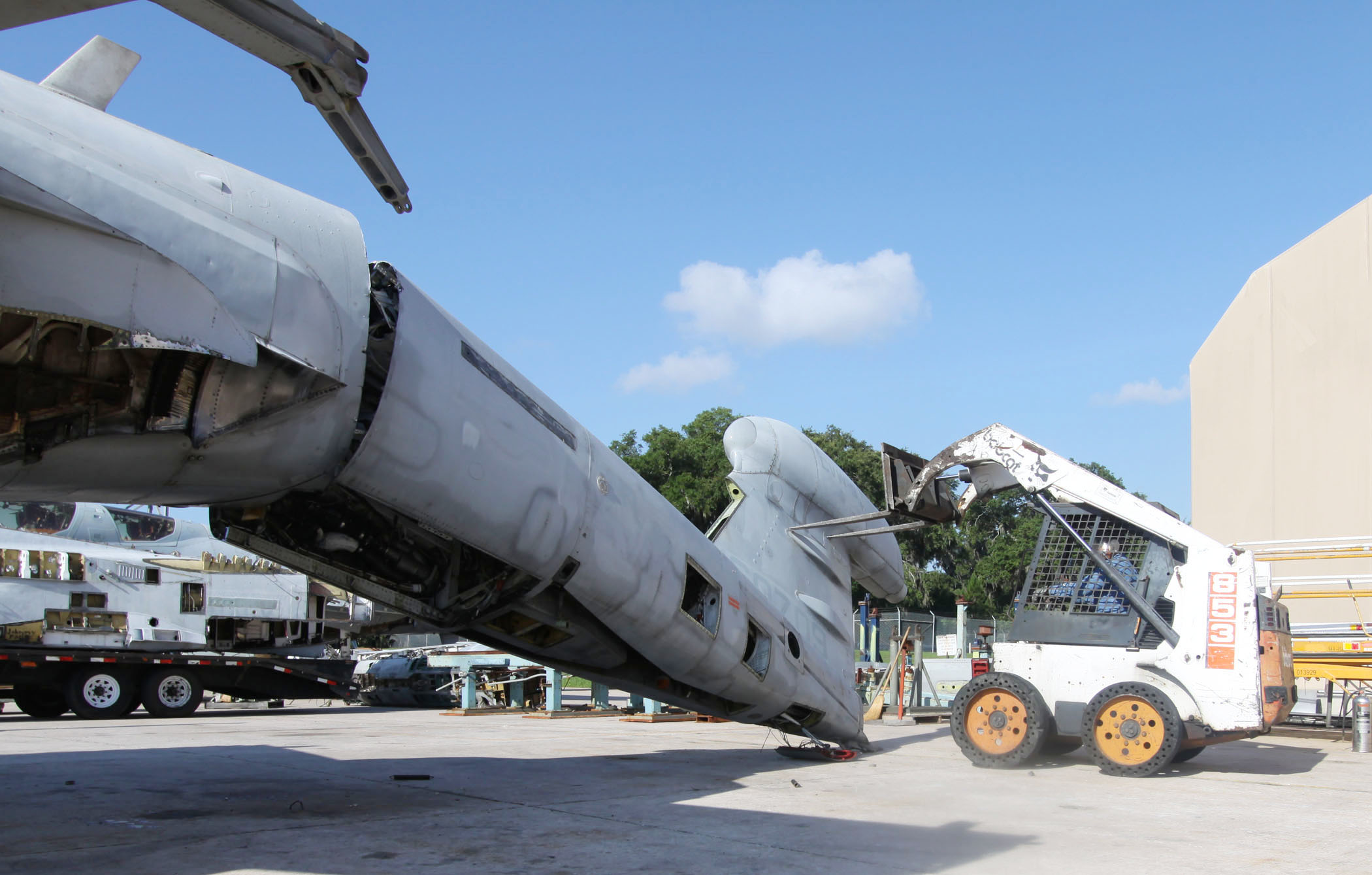
Once the required materials are removed, FRCSE requests permission to demilitarize the aircraft. When granted, the remaining fuselage is salvaged for scrap metal. The entire process is environmentally friendly as the aircraft does not go to a landfill.
FRCSE has reclaimed 13 Prowler aircraft, which amounts to a substantial cost avoidance to the Navy and the taxpayer. SARDIP has proved to be invaluable to the Fleet by quickly supplying necessary parts to effectively execute the Navy’s maritime strategy.
30
Photo Captions:
10-16A:
A damaged Marine Corps EA6-B Prowler jet sits in the cargo bay of a C-5 Galaxy transport plane returning from Iraq to Fleet Readiness Center Southeast at Naval Air Station Jacksonville, Fla., Oct. 8. (U.S. Navy photo by Vic Pitts)
10-16B:
FRCSE Sheet Metal Mechanics returning from Iraq in October 2009 use a handmade wooden ramp to remove an EA6-B Prowler from the cargo hold of an Air Force C-5. (U.S. Navy photo by Vic Pitts)
10-16C:
FRCSE Sheet Metal Mechanics remove a damaged EA6-B Prowler from the cargo hold of a C-5 Galaxy Oct. 8. (U.S. Navy photo by Vic Pitts)
10-16D:
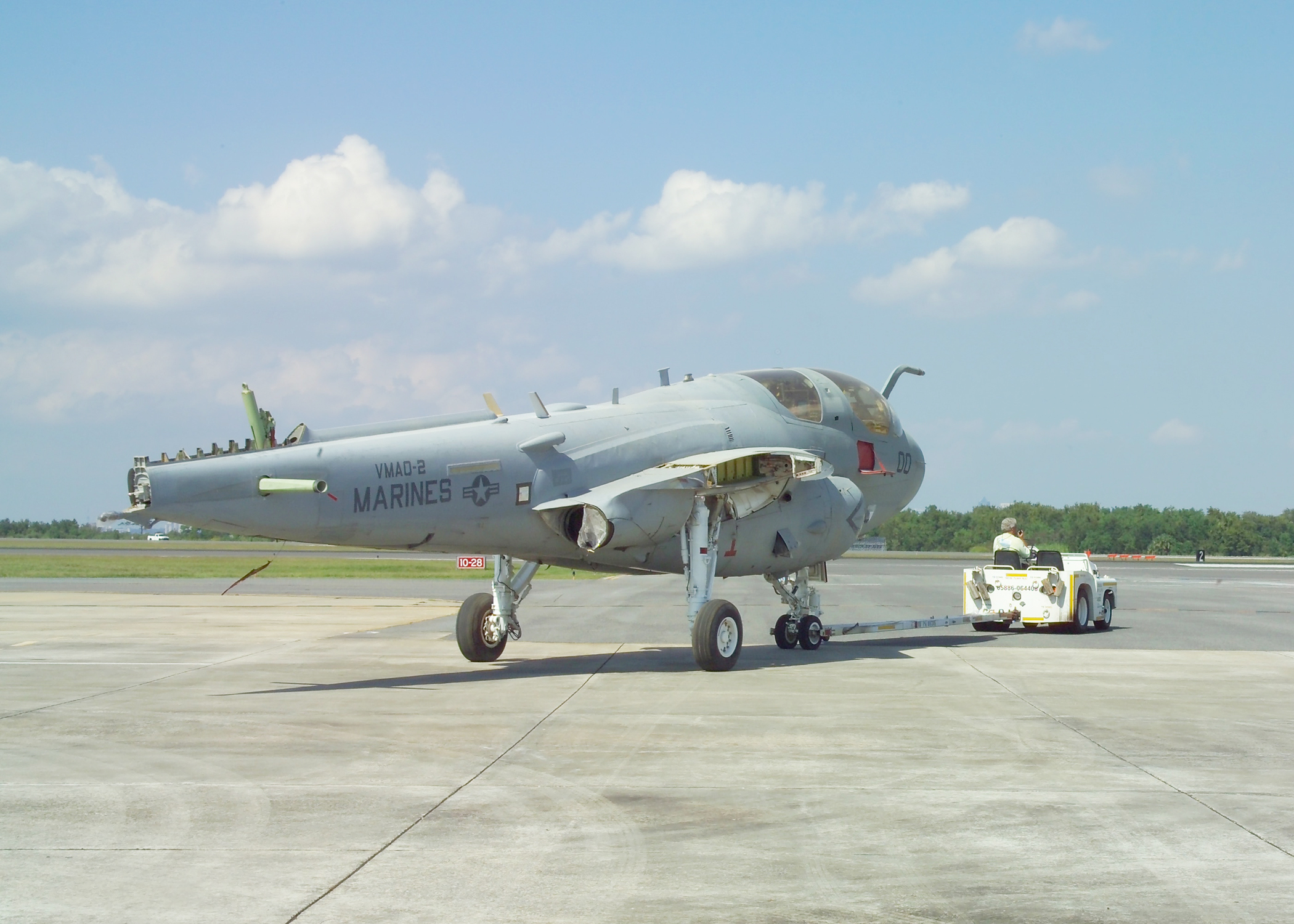
Tractor operator Joe Solomons tows a damaged Prowler from the NAS Jacksonville flight line to await its fate in an FRCSE hangar. (U.S. Navy photo by Vic Pitts)
10-16E:
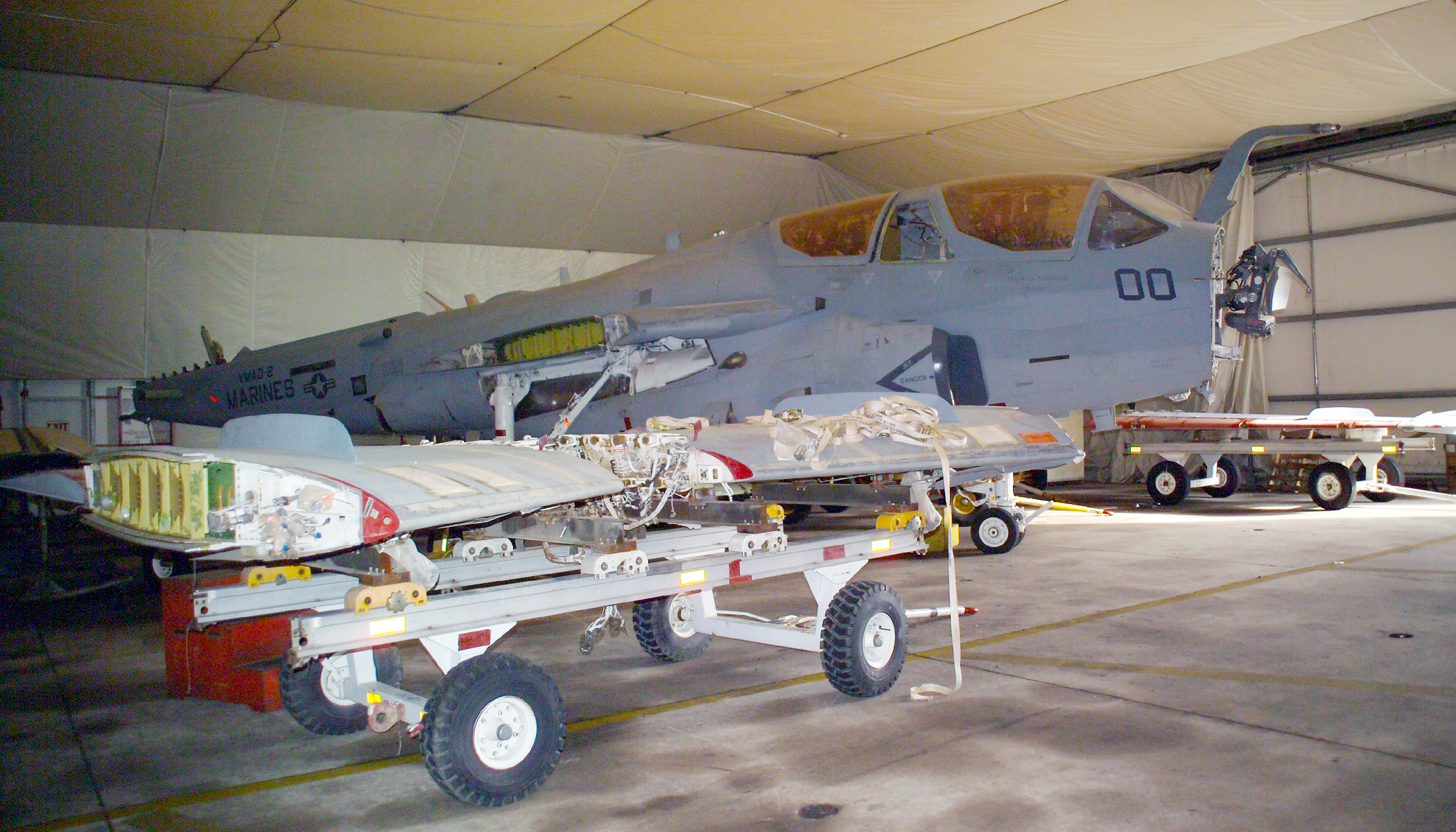
A damaged jet, wings removed, sits in a hangar. FRCSE artisans await approval and funding for the Master Save List from the Navy’s supply system before harvesting recyclable parts and sections. (U.S. Navy photo by Vic Pitts)
10-16F:
Aircraft Mechanics Bob Ostwald (left) and Ken Poythress (right) harvest recyclable components from a damaged Prowler for reuse in the Fleet. (U.S. Navy photo by Vic Pitts)
10-16G:
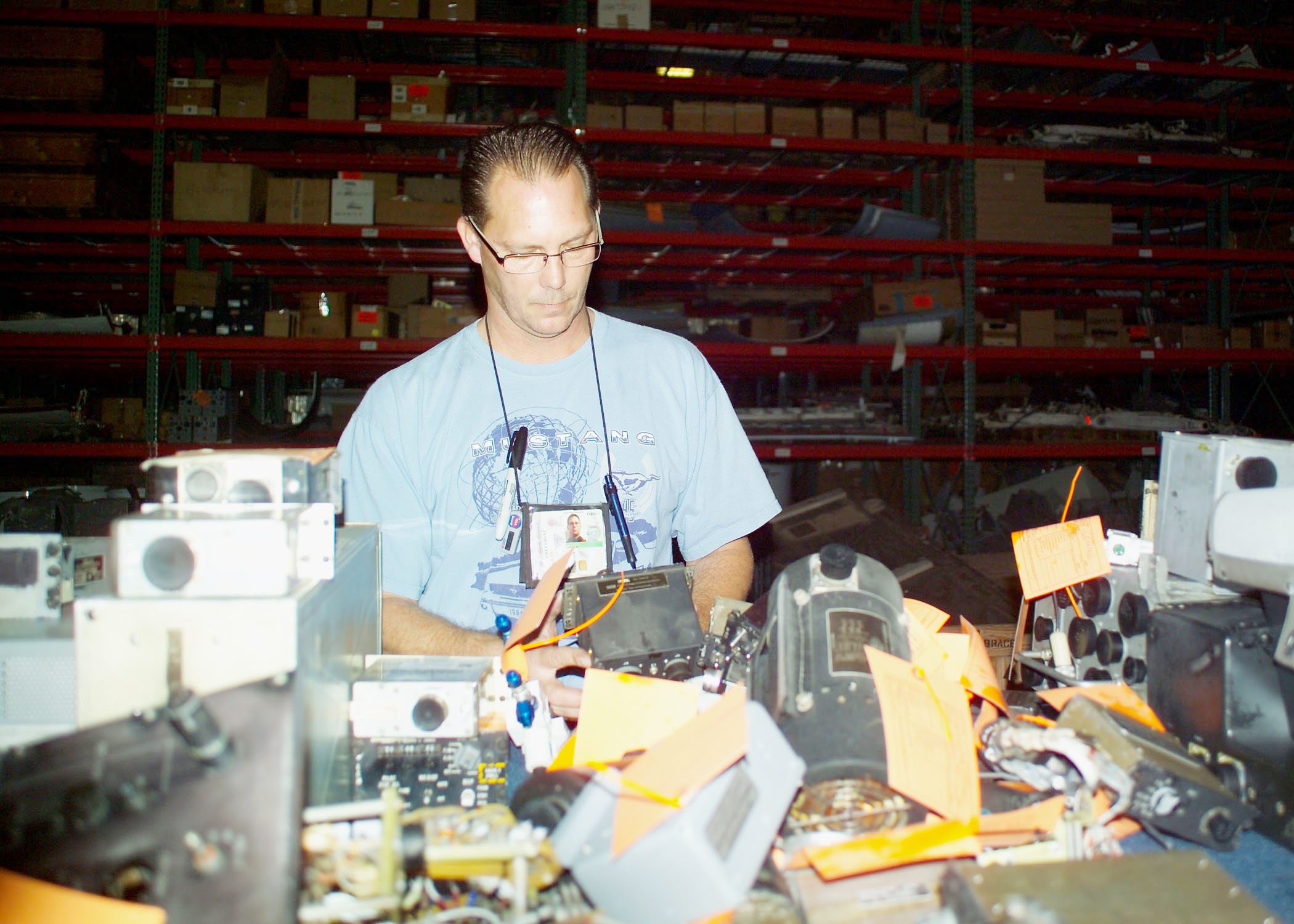
Aviation Logistics Technician Brian Cole processes harvested avionics parts for shipping to the Naval Inventory Control Point. From there needed parts are supplied to Navy, Marine Corps, Joint and Allied Forces to keep combat forces mission ready. (U.S. Navy photo by Vic Pitts)
10-16H:
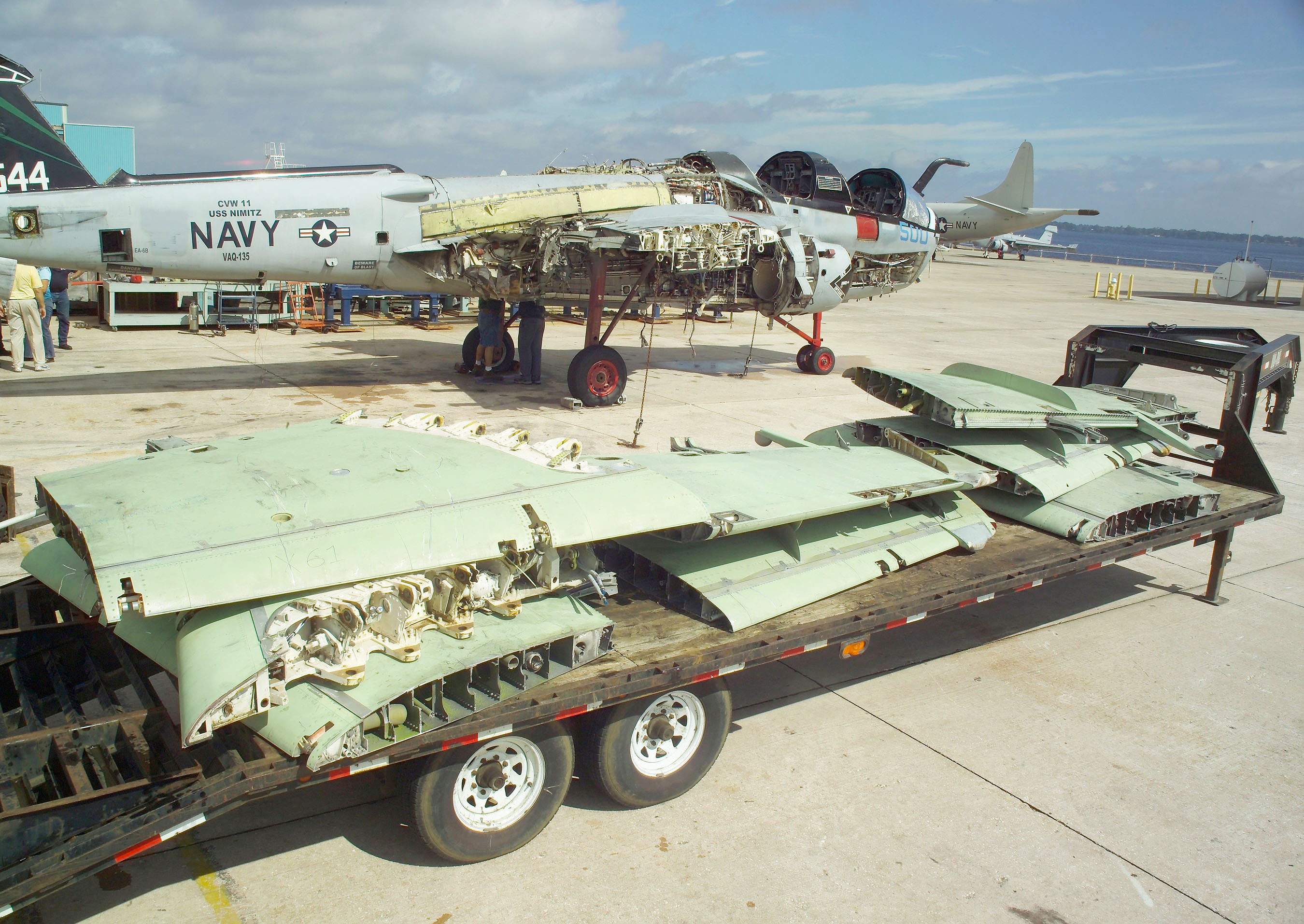
A badly damaged Prowler with wings removed awaits its fate on the NAS Jacksonville tarmac. The stricken aircraft will be demilitarized, its parts reclaimed and recycled to the Fleet. (U.S. Navy photo by Vic Pitts)
10-16I:
In early June, Randy Monroe of RAM Metals uses a crash saw to demilitarize an EA-6B Prowler before the dismantled fuselage is towed to a metals recycling center. (U.S. Navy photo by Vic Pitts)
10-16J:
RAM Metals owner Randy Monroe uses a utility vehicle to dismantle a broken down Prowler. The useful parts are reclaimed and the remainder cut up and sold for scrap. (U.S. Navy photo by Vic Pitts)
//USN//